







Belgium
Belgium is a federal country between France, the Netherlands, Germany and Luxembourg, with Dutch speaking Flanders in the north, French speaking Wallonia in the south and bilingual Brussels in the middle. It is in the EU, Schengen and the euro area, and Brussels hosts the main EU institutions. EU, EEA and Swiss citizens move freely, while people from elsewhere usually need a long stay visa before they travel and then register with the commune where they live.
Visa routes
What do you want to know?









Pick a city
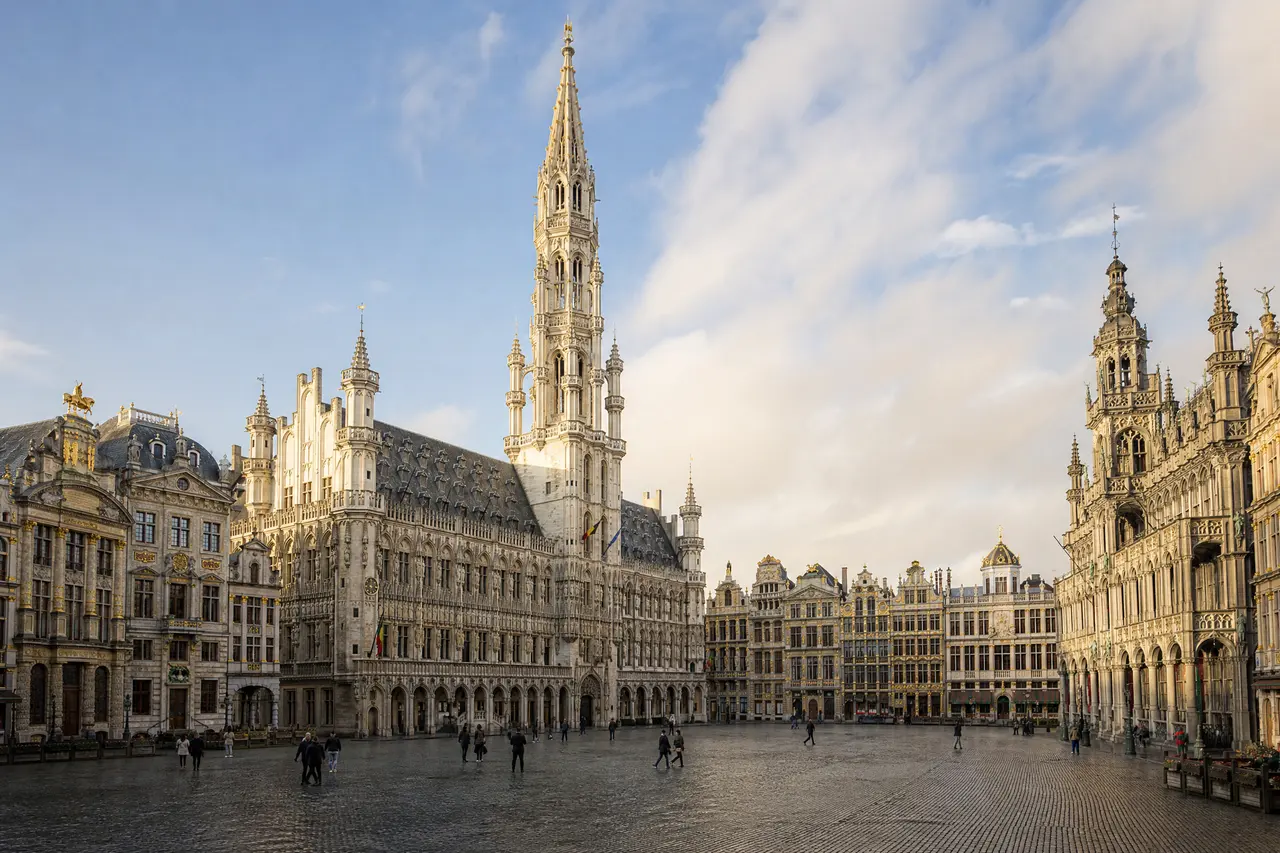 Brussels1.3M peopleOne bedroom€960-€1,36030-45% of typical payJan 3°Jul 19°87% satisfied living here
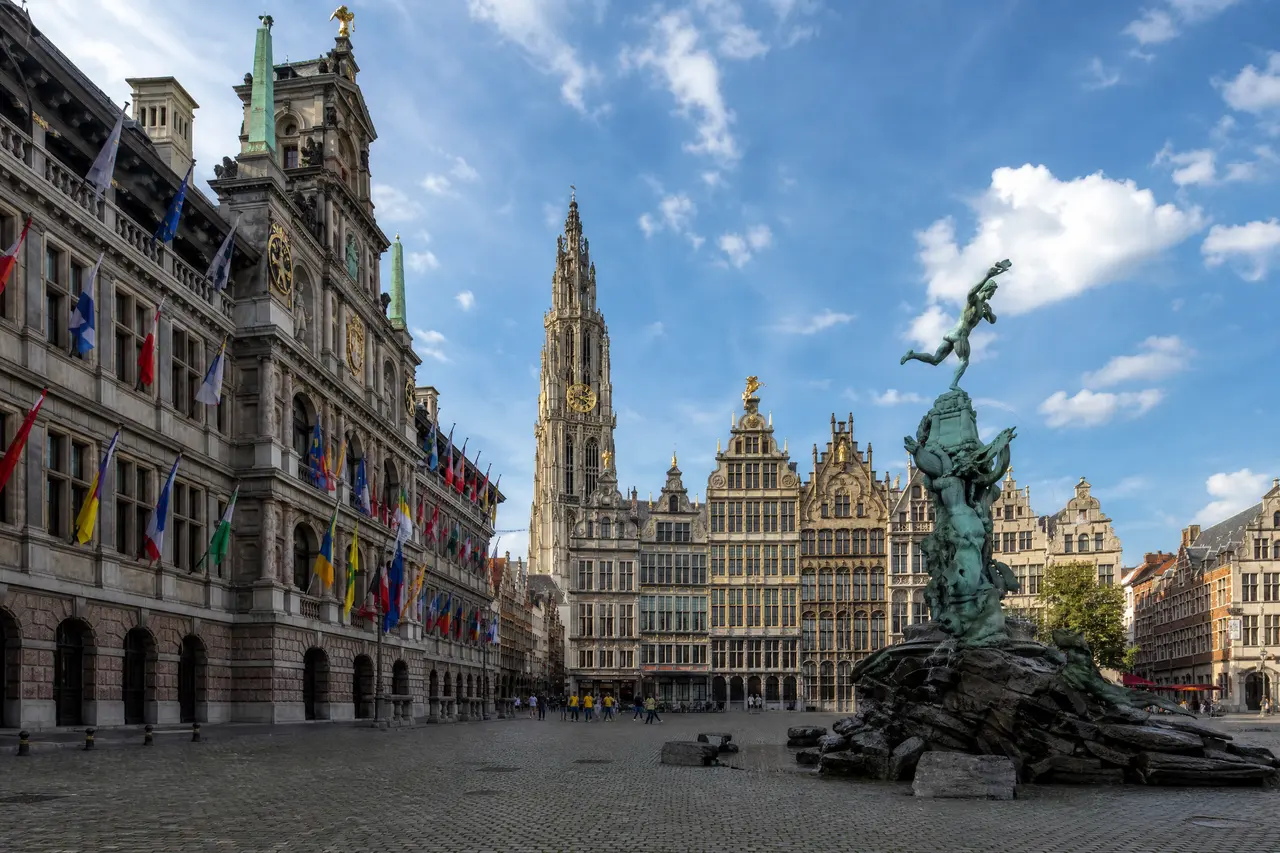 Antwerp550K peopleOne bedroom€740-€1,18025-40% of typical payJan 3°Jul 19°92% satisfied living here
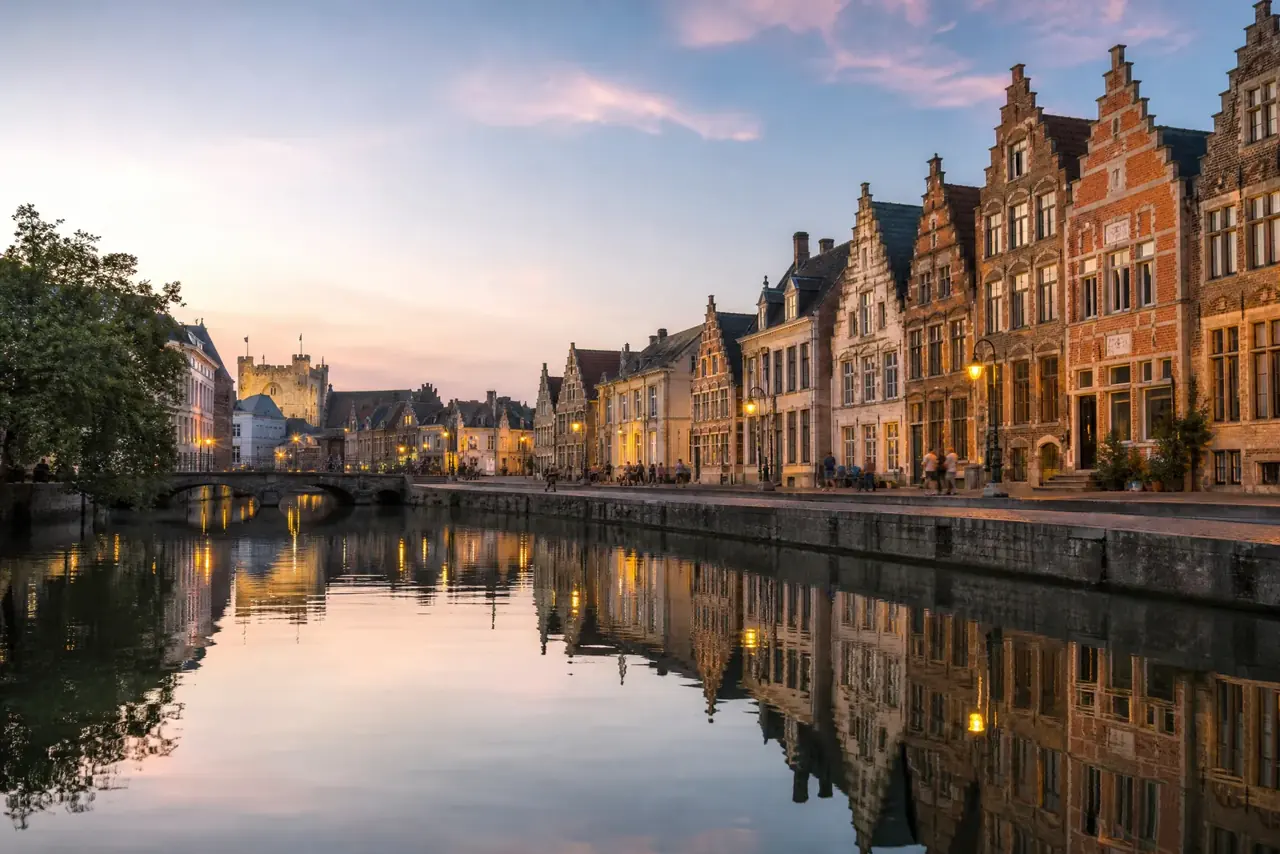
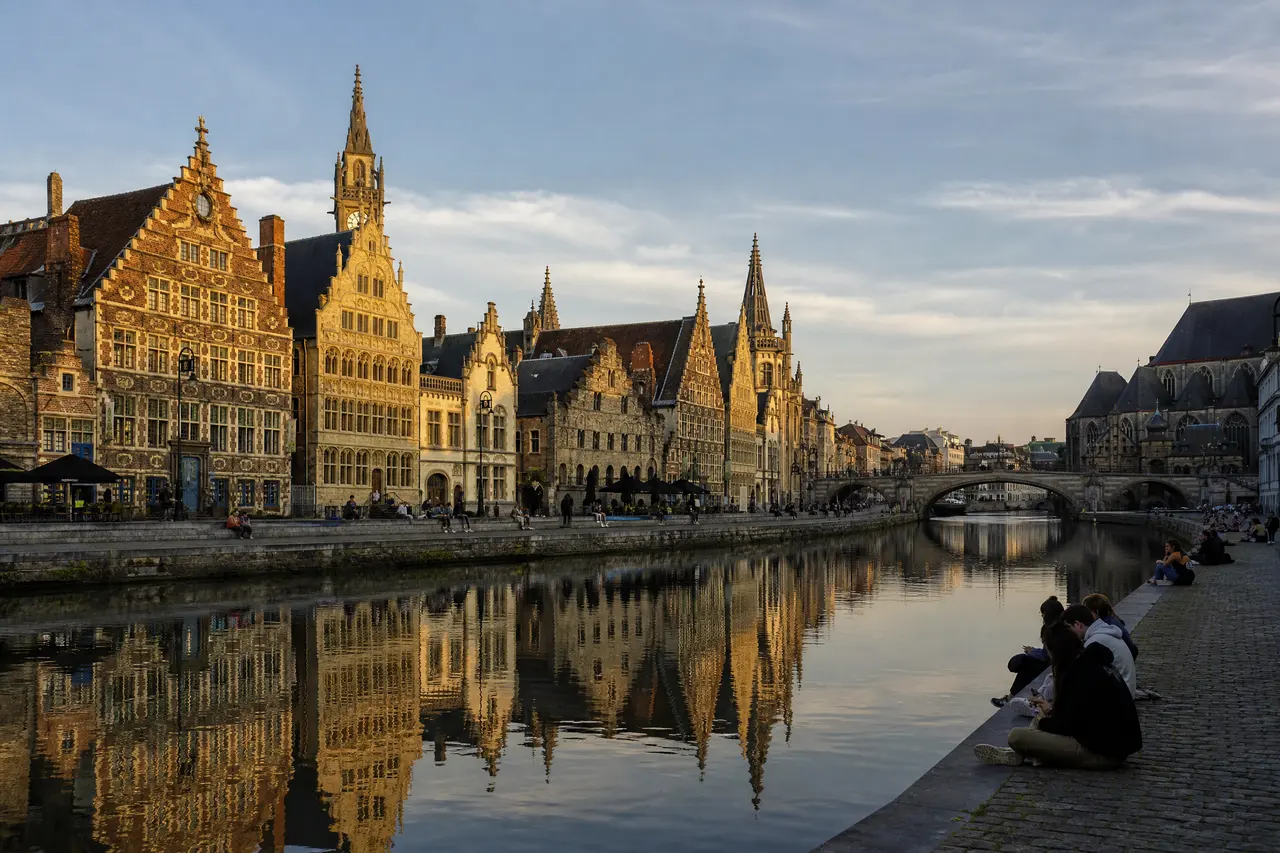 GhentOne bedroom€715-€93025-30% of typical payJan 3°Jul 18°
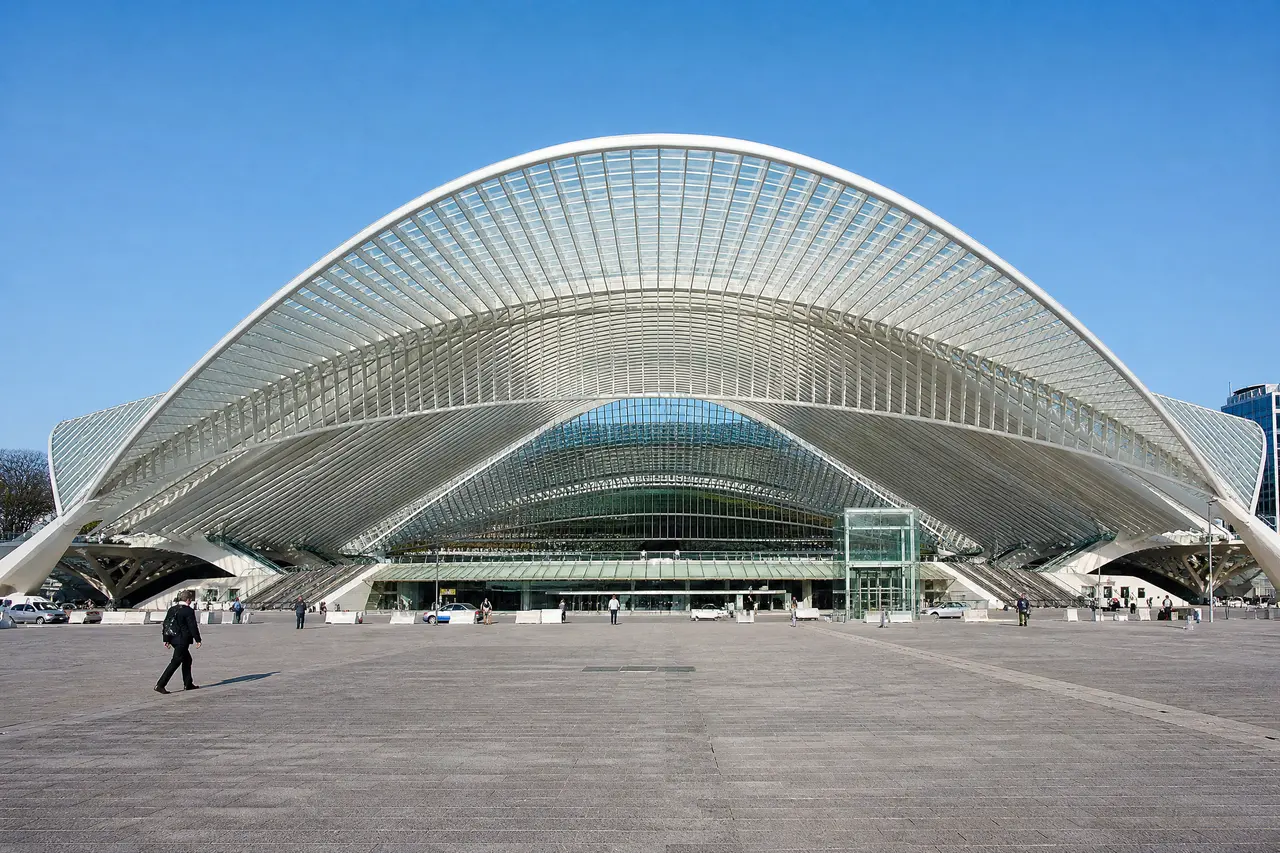 Liège410K peopleOne bedroom€600-€82020-25% of typical payJan 1°Jul 18°89% satisfied living here
Expatronus research from 63 sources, checked November 15, 2026. Pay from recent salary surveys. Satisfaction from Eurostat. Temperatures from NASA Langley Research Center, POWER project.
Good to know
- Belgium has three regions, Flanders, Wallonia and Brussels-Capital, and three language communities, Flemish, French and German speaking, each with its own government
- The federal Immigration Office decides on residence, while the regions decide on work permits and the communes register residents
- Everyone who settles in Belgium registers at the commune, which issues the residence card and links you to the national register
- Distances are short, and trains link the main cities to each other and to Paris, Amsterdam, Cologne and London
More numbers
Belgium compared with the EU
Price levels are an index, and the EU average is the reference.
Price level of everyday spending
118.7
EU average 100 · 2024
Median net income per person
€31,299a year
EU average €22,939 a year · 2025
Unemployment rate
6.2%
EU average 6% · 2025
Life expectancy at birth
82.4years
EU average 81.5 years · 2024
City by city
Satisfied living here, residents of each surveyed city.
Survey average 87.3%
Climate around Brussels
°C · mm
 Belgium or Spain
 Belgium or France
 Belgium or Ireland
 Belgium or Luxembourg
 Belgium or Netherlands
The Atlas explains the landscape. An independent specialist confirms what applies to you.