







Daily life in Belgium
Getting around, safety, the climate and the language in Belgium, all on one page.
In numbers
Daily life in Belgium
Getting around
The national railway SNCB/NMBS links the cities often and quickly, and regional companies run local transport, STIB in Brussels, De Lijn in Flanders and TEC in Wallonia. Many people commute by train and bike, and most city centres have low emission zones for cars.
- Each operator has its own app for tickets and real time information, and contactless bank cards work on many lines
- Employers often contribute to the cost of commuting by public transport or bike
- A driving licence from outside the EU may be exchanged at the commune in some cases, and a specialist confirms whether yours qualifies
Safety
Belgium is a safe country for daily life, with the usual care needed in large cities. You call the emergency number for fire and ambulance and the police number for urgent police help, and each area has a local police zone with a neighbourhood officer.
- Pickpocketing happens in busy stations and on crowded public transport, as in other large European cities
- BE-Alert sends warnings by text message about emergencies near your address after you sign up
- The federal emergency app connects you to fire, ambulance or police and shares your location
Climate and lifestyle
Life in Belgium mixes city cafés, historic squares, cycling and short trips across borders. Each region has its own food and festival traditions, from Flemish beer and comic strip culture to Walloon markets and summer festivals.
- Belgian beer culture, chocolate, waffles and fries are part of everyday life, not only of tourism
- The Ardennes in the south offer forests, rivers and hiking within easy reach of the cities
- The North Sea coast is linked to Flemish cities by train and by the coastal tram
Language
Belgium has three official languages. Dutch is spoken in Flanders, French in Wallonia, both are official in Brussels, and German is spoken in a small area in the east. English is widely used in Brussels and in business, but the language of your region matters for administration, school and many jobs.
- Flanders, Brussels and Wallonia each run a civic integration programme with language courses, which many newcomers from outside the EU are required to follow
- The Agency for Integration and Civic Integration organises Dutch courses and the integration programme in Flanders
- In Brussels you can deal with the commune in French or Dutch, and your choice decides the language of your documents
Public holidays in Belgium
2026
Fri, Dec 25Christmas Day
Days off as published in the official bulletins. Shops and offices often close, so plan appointments around them. Source: Observatoire royal de Belgique
More numbers
Belgium compared with the EU
Report crime or vandalism where they live
12.4% Worse than average
EU average 10% · 2023
Adults who speak no foreign language
22% Better than average
EU average 25.3% · 2022
City by city
Feel safe walking alone at night, residents of each surveyed city.
Survey average 67.9%
Climate around Brussels
°C · mm
Official apps3


Find an office1

Official websites7
- SNCB/NMBS, Belgian national railwaysbelgiantrain.be · Confirmed by hand
 Emergency numbers in Belgium, 112 and 101112.be · Checked on November 15, 2026
- Belgian police, local and federalpolice.be · Confirmed by hand
 BE-Alert, emergency alerts by text messagebe-alert.be · Checked on November 15, 2026
 National Crisis Center, risks and what to docrisiscenter.be · Checked on November 15, 2026
 Your Europe, living and working in the EUeuropa.eu · Checked on November 7, 2026
 112, the European emergency numberdigital-strategy.ec.europa.eu · Checked on November 7, 2026
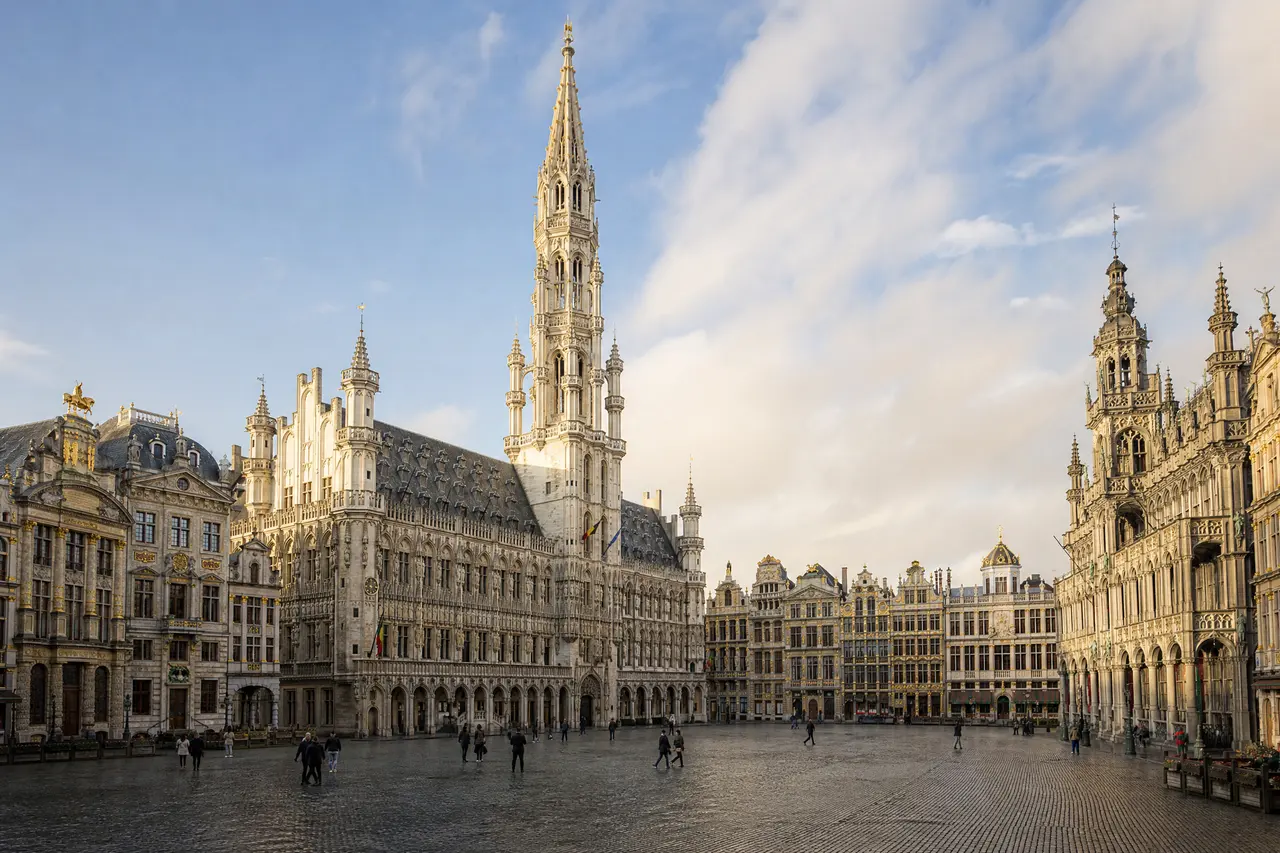
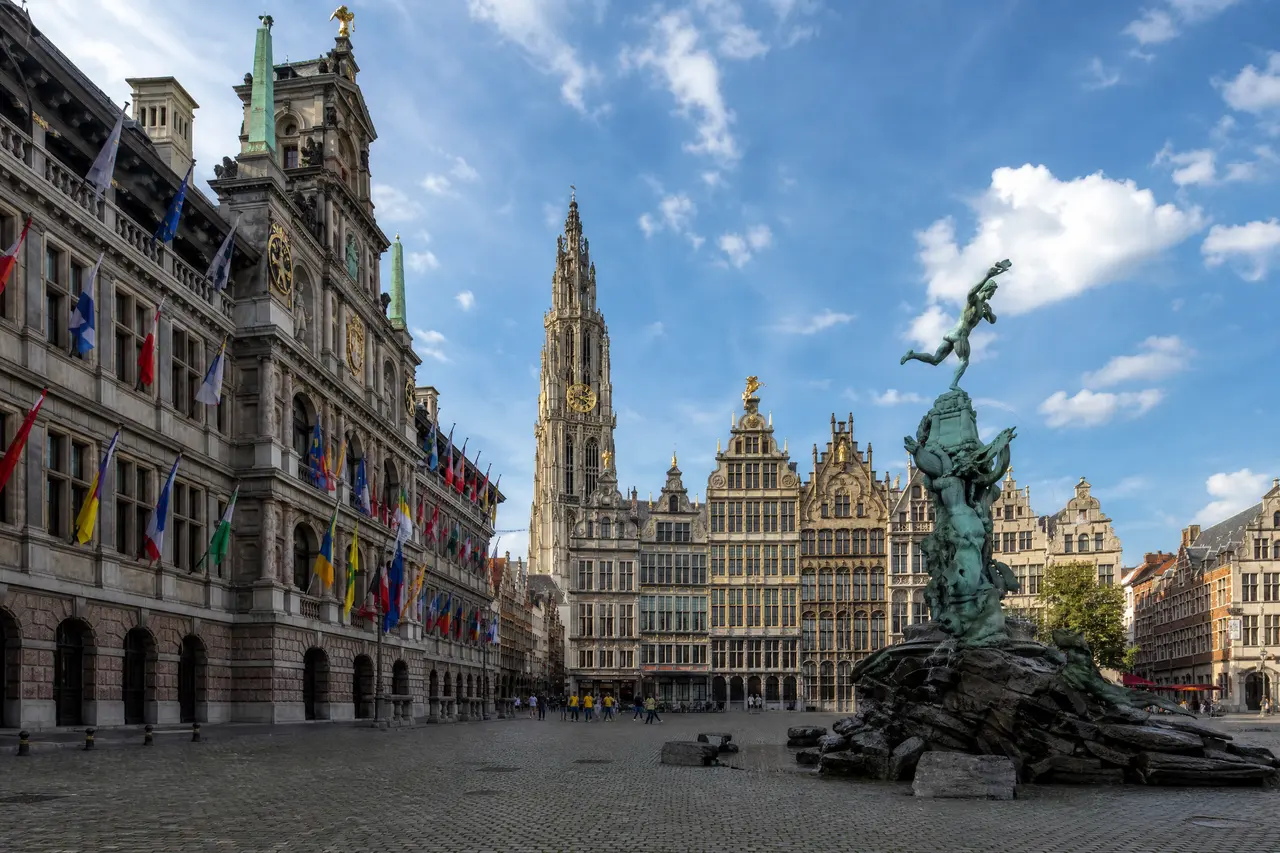
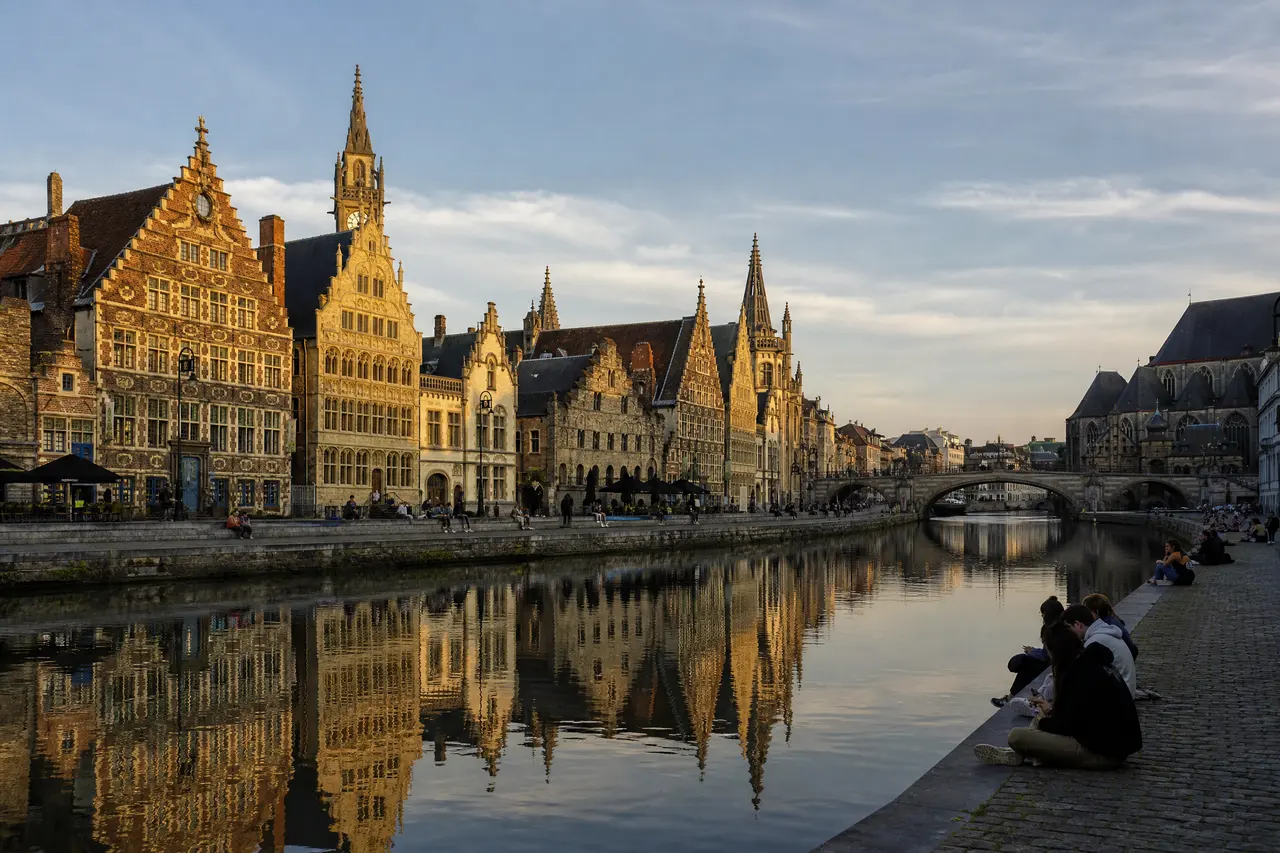
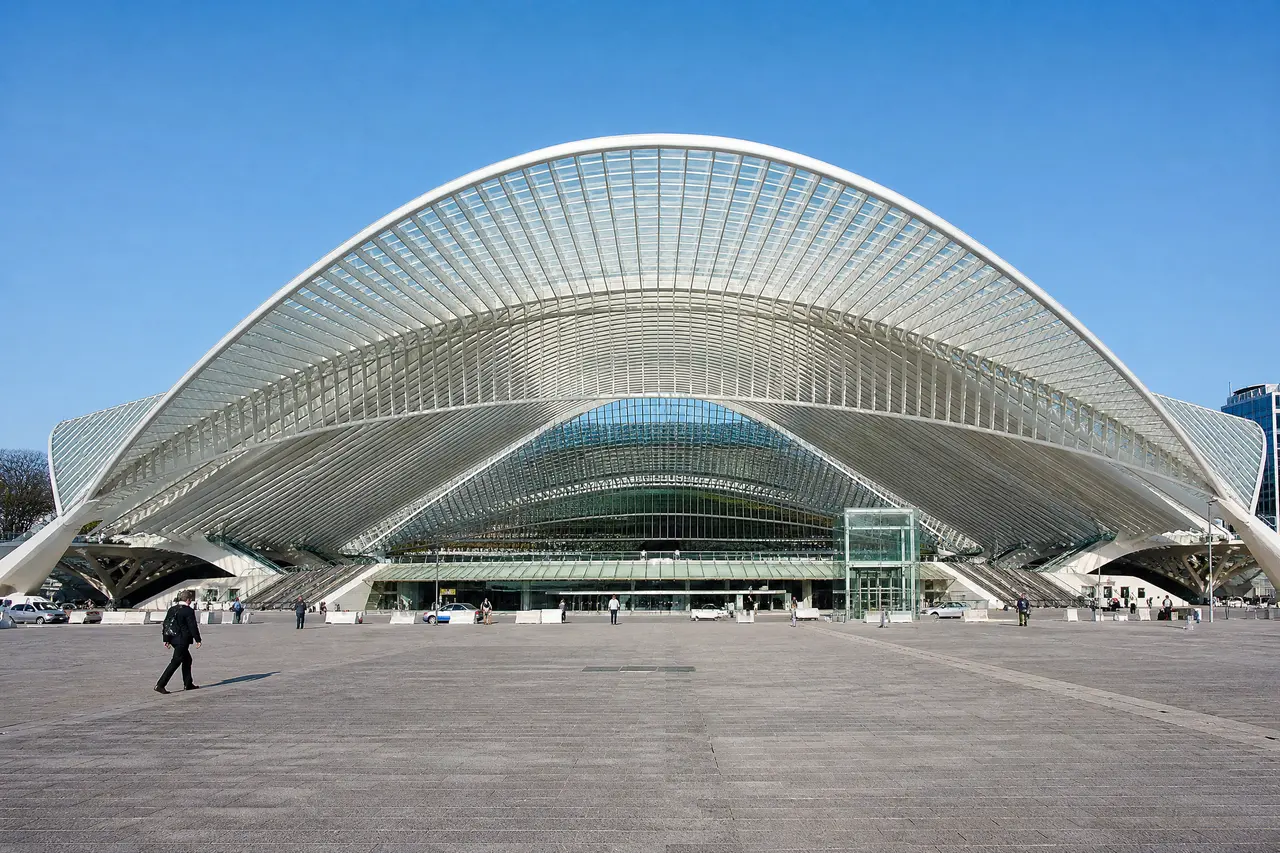
Daily life in each city
Also in this guide








The Atlas explains the landscape. An independent specialist confirms what applies to you.