

.jpg)
Dreaming of sun-drenched road trips along the Spanish coast or exploring charming inland villages at your own pace? Driving in Spain offers incredible freedom and convenience, especially for expats settling into their new life. But before you hit the open road, there are a few essential administrative hoops to jump through, from converting your foreign driving license to understanding the process of buying a car. Don't worry, it's more straightforward than it might seem, especially with a clear roadmap. Think of me as your experienced expat friend, here to share practical advice and help you navigate the journey smoothly.
Hitting the Spanish Roads: Your Driving License
One of the first things many new residents wonder about is their driving license. Can you keep using your home country's license indefinitely? The answer depends largely on where your license was issued and your residency status in Spain.
EU/EEA License Holders: Smooth Sailing (Mostly)
If your driving license was issued by an EU or EEA (European Economic Area, including Iceland, Liechtenstein, and Norway) country, you're in a pretty good spot. You can generally drive in Spain using your existing license, as long as it's valid and you're over Spain's legal driving age. Initially, you can drive for up to two years after becoming a resident. However, it's highly recommended to register your license with the Dirección General de Tráfico (DGT) after six months of residency.
While not strictly mandatory to exchange your EU/EEA license immediately, it becomes a smart move for long-term residents. If your license is lost, stolen, or expires while you're living in Spain, you cannot replace or renew it here. You'd have to go back to the issuing country. Exchanging it for a Spanish one, an administrative process without needing to re-take tests, can save you a lot of hassle down the line. The DGT will usually ask you to undergo a medical check-up every 10 years (or every 5 years if you're over 65).
Non-EU/EEA License Holders: The Conversion Journey
The path forward depends on whether your home country has a bilateral agreement with Spain for license exchange. Countries with such agreements, like the UK (post-Brexit), Switzerland, Japan, South Korea, and many in Latin America (e.g., Argentina, Colombia, Ecuador, Uruguay), allow for a direct exchange without needing to take Spanish driving tests. If your country isn't on this list (this includes the US, Canada, Australia, and New Zealand), you will typically need to pass both the Spanish theory and practical driving tests to obtain a Spanish license.
- Check Eligibility: Verify if Spain has an exchange agreement with your country on the DGT website.
- Medical Report (Psicotécnico): Visit an authorized medical center (Centro de Reconocimiento de Conductores) for a psychophysical aptitude report. This usually involves vision, coordination tests, and a health questionnaire. It costs around €20-€40 and is valid for 90 days.
- Gather Documents: You'll need your NIE/TIE, passport, empadronamiento certificate, original valid foreign license, specific passport-size photos (32x26mm), and potentially a sworn translation of your license if it's not in Spanish.
- Book DGT Appointment (Cita Previa): Schedule an appointment online via the DGT website for a 'Canje de permisos' (license exchange).
- Attend Appointment: Present all your documents. The DGT will keep your original foreign license and issue you a provisional paper permit, which allows you to drive legally until your Spanish license arrives (which can take several months).
- Pay Fee: The DGT fee for license exchange (Tasa 2.3) is typically around €28.87.
Acquiring Your Spanish Wheels: Buying a Car
Once your driving license is sorted, the next big step for many is getting a car. Whether you envision a compact city car or a spacious family vehicle for weekend escapes, buying a car in Spain as an expat is definitely achievable. The process has its own quirks, but with the right information, you'll be driving off into the Spanish sunset in no time. You will need your NIE number to buy and register a car in Spain.
New vs. Used: What's Right for You?
You have the choice between buying a brand-new car from a dealership or opting for a used vehicle. New cars offer peace of mind with warranties and the latest features, and the dealership handles most of the registration paperwork, including the first ITV (technical inspection). However, new cars incur 21% VAT (IVA) and a registration tax (IEDMT) based on CO2 emissions, which can be up to 14.75% for higher-emission vehicles, though many eco-efficient cars pay 0%.
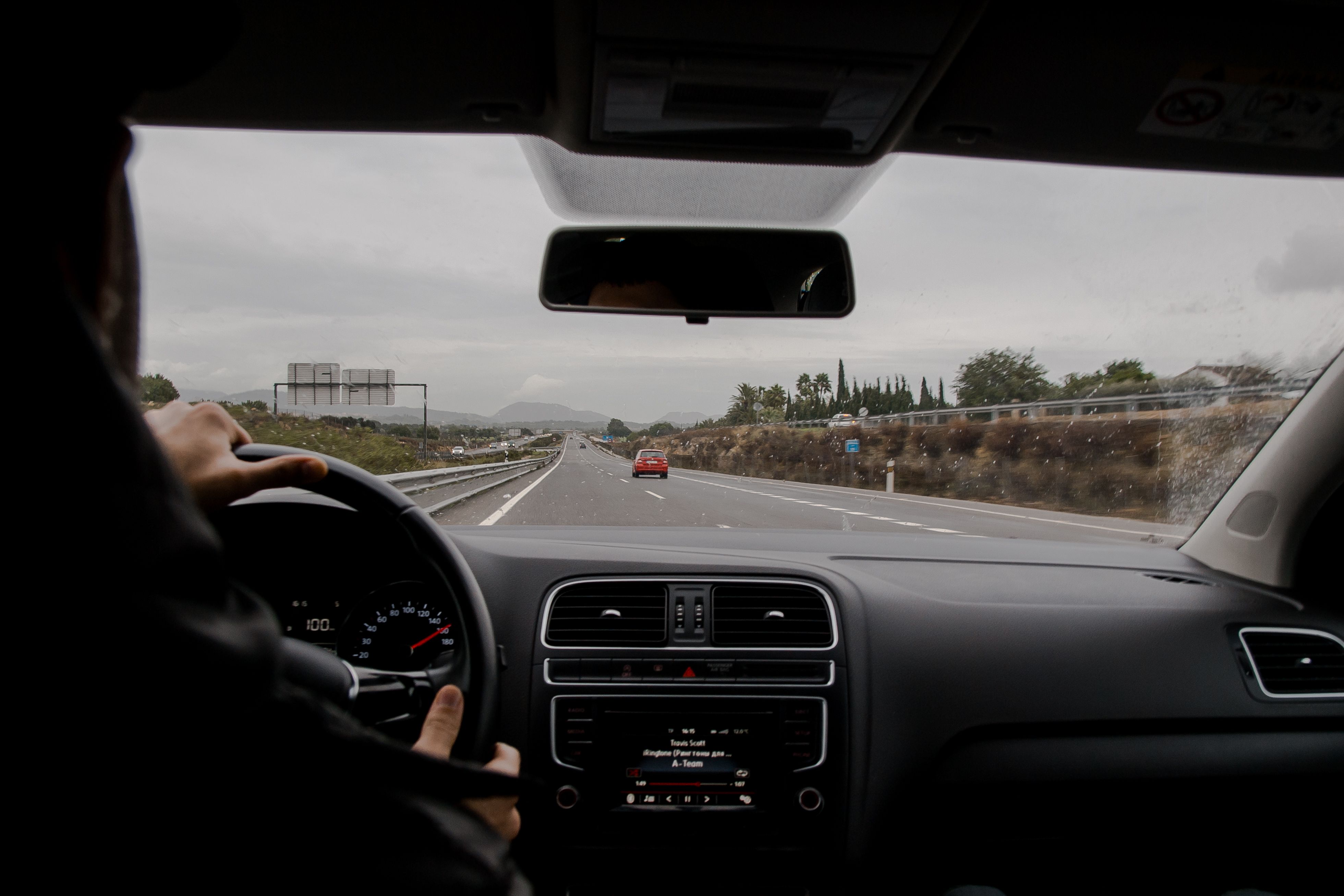
The Bureaucracy of Buying
- Sales Contract (Contrato de Compraventa): A formal, written contract detailing the vehicle, price, and buyer/seller information is essential.
- Transfer Tax Payment (ITP): For used cars, you, as the buyer, are responsible for paying the ITP at your local tax office.
- DGT Ownership Transfer: The ownership must be officially transferred at a DGT office within 30 days of purchase. This requires the signed contract, tax payment proof, your ID, and the car's existing documentation (permiso de circulación and ficha técnica).
- Insurance: It is legally mandatory to have at least third-party liability insurance (seguro a terceros) before you can drive the car. In Spain, the insurance is linked to the vehicle, not solely the driver.
- Road Tax (IVTM): This is an annual municipal tax based on the car's characteristics and your registered municipality, payable between April and June. Unpaid road tax can prevent ownership transfer.
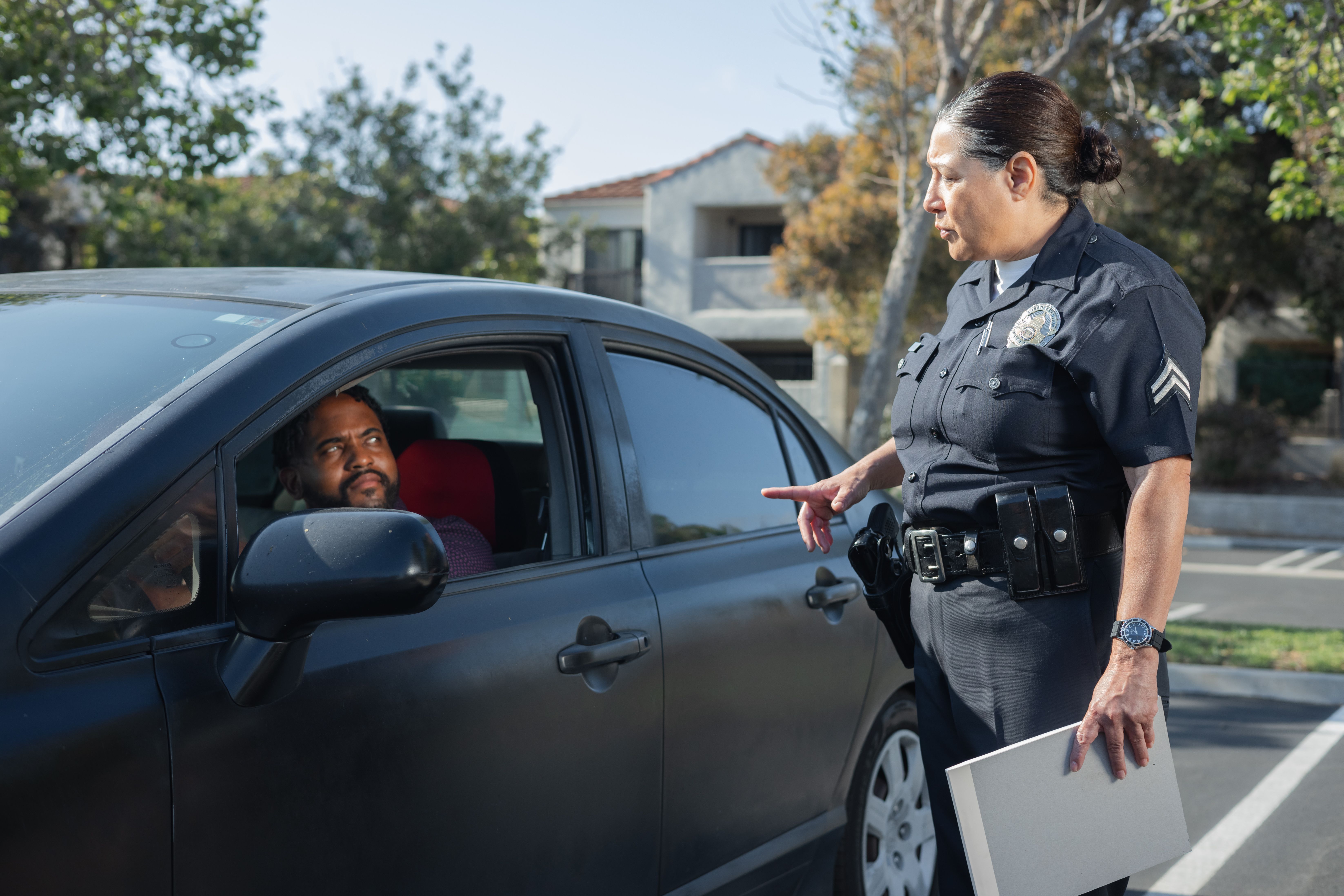
The Inspección Técnica de Vehículos (ITV) is Spain's equivalent of an MOT. New cars are exempt for the first four years, then require inspection every two years until they are ten years old, after which it becomes annual. You'll need your vehicle's registration certificate (Permiso de Circulación) and technical sheet (Ficha Técnica), along with proof of insurance, to attend the appointment. Driving with an expired ITV is illegal and can lead to substantial fines, and you cannot even drive the car to the ITV station if it's expired; it must be towed.
From 2026, your car must also carry a DGT-homologated V16 connected beacon to pass the ITV.
Remember, the car is insured, not the driver, so you'll need a policy for each vehicle you own. Always carry your proof of insurance, vehicle registration, and driver's license (and an International Driving Permit if you're a non-EU national on a short stay) in the car.
Navigating the administrative aspects of driving and car ownership in Spain can feel like a lot to take in, but with a clear understanding of the steps involved, it becomes much less daunting. From securing your Spanish driving license to registering and insuring your new vehicle, each step brings you closer to enjoying the freedom of the open road.