

Barcelona, a city synonymous with stunning architecture, golden beaches, and a buzzing cultural scene, consistently tops the list for expats looking to relocate to Spain. It's a place that effortlessly blends historic charm with modern vibrancy, offering an enviable lifestyle. But before you pack your bags and book your flights, a key question often arises: what's the actual cost of living here? As an experienced expat friend, I’m here to give you the honest lowdown on what you can expect to spend and how to make your budget stretch further in this beautiful Catalan capital.
The Barcelona Dream: Is it Affordable?
Compared to major European capitals like London or Paris, Barcelona generally offers a more affordable lifestyle, but it's not the cheapest city in Spain. The cost of living has been on an upward trend, especially in recent years. Your personal expenses will, of course, heavily depend on your lifestyle choices, where you choose to live, and your spending habits. However, with a bit of planning and insider knowledge, you can certainly enjoy the Barcelona dream without breaking the bank.
Rent: Your Biggest Monthly Bite
Rent is almost always the largest monthly expense for anyone living in Barcelona, and it varies significantly based on location, size, and whether the apartment is furnished. For a one-bedroom apartment in the city center, you're typically looking at anywhere from €900 to €1,300 per month. Moving slightly outside the bustling core to neighborhoods like Sant Andreu or Horta-Guinardó can bring this down to a range of €700 to €1,000 for a similar sized place. Larger apartments, particularly those with multiple bedrooms in highly desirable areas like Eixample or Gràcia, can easily exceed €1,500 to €2,000. Furnished apartments often come with a premium, so keep that in mind when browsing. It's also common to pay a deposit of 2-3 months' rent upfront, plus agency fees if you use one, so prepare for initial higher costs.
Utilities: Keeping the Home Humming
Groceries & Dining Out: A Taste of Barcelona Life
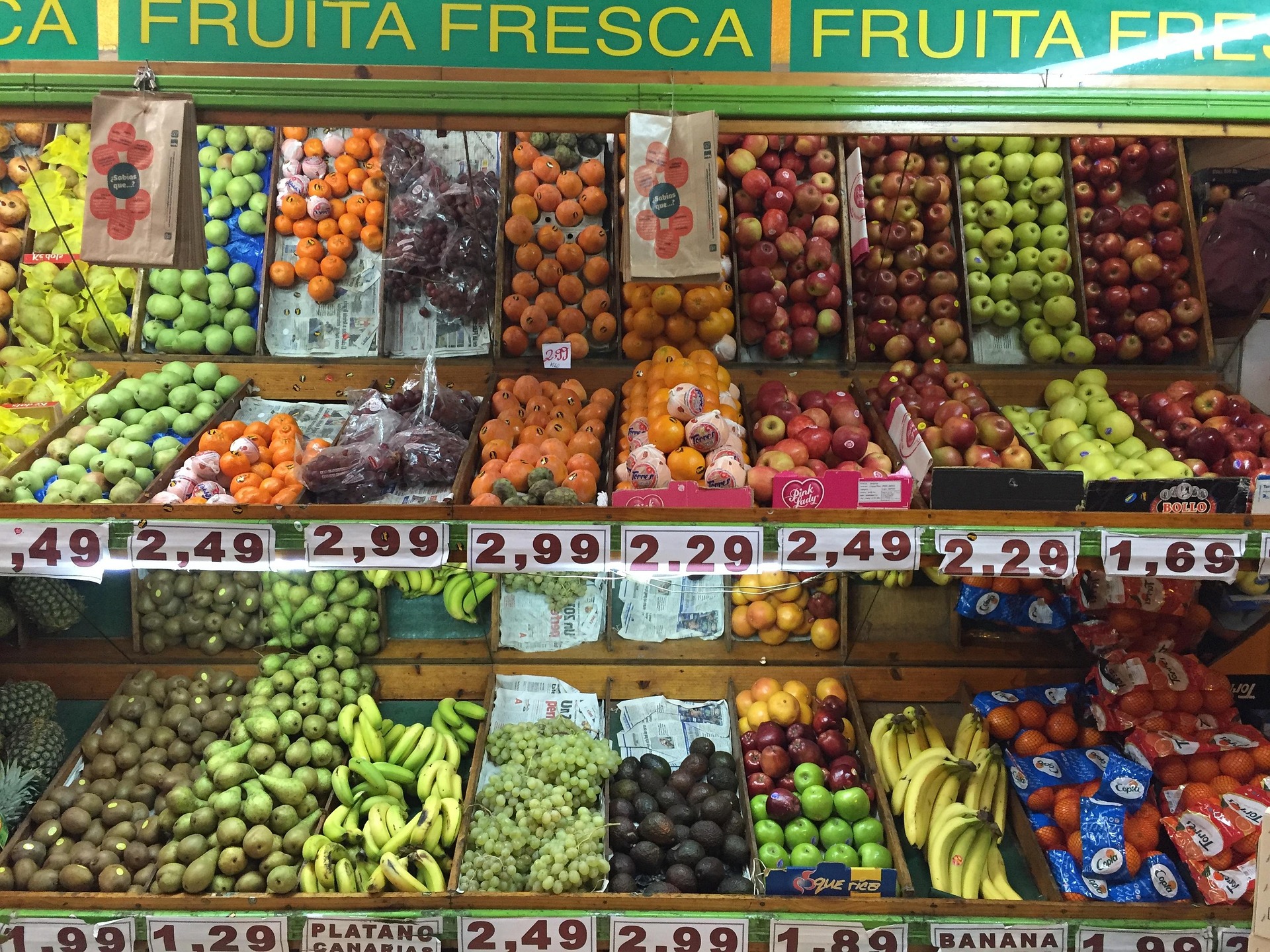
One of the joys of living in Spain is the incredible food! Your grocery bill in Barcelona will largely depend on your diet and where you shop. For a single person, a monthly grocery budget can range from €200 to €350. Supermarkets like Mercadona, Lidl, and Aldi offer good value, while Carrefour and El Corte Inglés are often a bit pricier. Don't forget to explore local markets like La Boqueria (though it's become quite touristy) or Mercat de Sant Antoni for fresh, seasonal produce, often at better prices. Eating out can be surprisingly affordable, especially if you embrace the 'menu del día' – a fixed-price, multi-course lunch menu typically costing €12-€16. A meal at an inexpensive restaurant might set you back €12-€18, while a three-course meal for two at a mid-range restaurant could be around €50-€70.
- Cook at Home: Make the most of fresh local produce.
- Embrace Menu del Día: Enjoy a great value lunch during the week.
- Shop Local: Visit smaller fruit and vegetable shops (fruterías) and bakeries (panaderías) for competitive prices.
- Limit Takeaways: Convenient, but they add up quickly.
- Look for Offers: Supermarkets often have weekly deals.
Getting Around: Barcelona's Public Transport
Barcelona boasts an excellent, integrated public transport system comprising metros, buses, trams, and local trains, all operating under the same fare system. A T-casual card, which gives you 10 journeys within Zone 1 (covering most of the city), costs €12.15. For more frequent travelers, the T-usual monthly pass offers unlimited travel within Zone 1 for €21.35. Given how walkable Barcelona is, and with an increasing number of bike lanes, many expats find they can save significantly by walking or cycling. The city is also very compact, making it easy to navigate without a car, which is a significant saving considering parking and fuel costs.
Leisure & Lifestyle: Embracing the City's Vibe
This is where Barcelona truly shines! There's an endless array of activities, from free cultural events and strolls through historic neighborhoods to enjoying the city's vibrant nightlife. A beer in a local bar might be €2.50-€4, while a coffee typically ranges from €1.50-€2.50. Cinema tickets are around €9-€10. Many museums offer free entry on certain days or evenings. Taking advantage of the city's beautiful parks and beaches is, of course, completely free!
Staying Healthy & Connected

Maintaining your health and staying connected are crucial. Gym memberships in Barcelona typically fall between €30 and €60 per month, though more premium facilities can be pricier. For healthcare, while Spain has a robust public system, many expats opt for private health insurance, especially during their initial months or if they prefer more flexibility. Basic private plans can start from €40-€60 per month for healthy individuals. Mobile phone plans are generally affordable; you can find prepaid options with decent data for €10-€20 per month, or contract plans with more data and unlimited calls for €20-€40. When planning your move, considering a free relocation assessment can help you factor in all these essential services.
Unexpected Costs & Budgeting
Beyond the big-ticket items, remember to factor in miscellaneous expenses. These can include visa application fees (if applicable), residency permits, furniture if your apartment isn't furnished, personal care items, clothing, and the occasional splurge. A common oversight is not budgeting for the initial setup costs, such as deposits for rent and utilities, which can amount to several thousand euros. It’s always wise to have a buffer for unexpected situations.
Your Barcelona Budget: Where to Save
Living in Barcelona is an incredible experience, and with a few savvy choices, you can make it work for your budget. Prioritise your spending: perhaps choose a slightly smaller apartment to free up funds for travel or dining. Embrace the local lifestyle by cooking at home more often, taking advantage of affordable public transport, and enjoying the many free cultural offerings. Don't be afraid to explore different neighborhoods; what you save on rent might allow you to experience more of what the city has to offer. Remember, living like a local is often the most cost-effective and authentic way to experience Barcelona.
Barcelona offers a fantastic quality of life, and while it's not the cheapest city in Spain, it's certainly manageable with careful planning. By understanding the main expenses and adopting some smart saving strategies, you can enjoy all the magic this city has to offer without constant financial stress. Welcome to Barcelona – your new adventure awaits!