

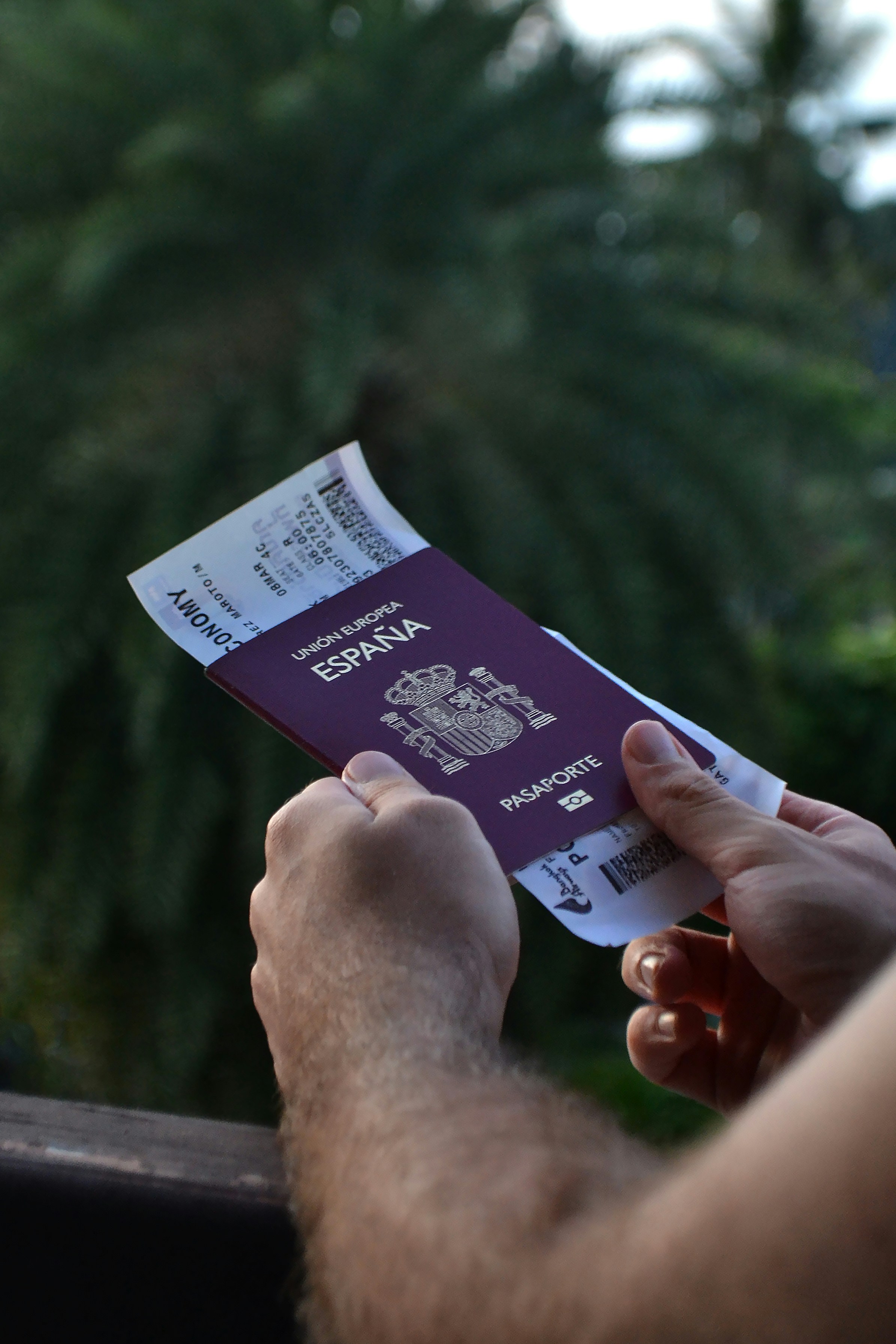
For many international professionals and families, acquiring Spanish citizenship represents a significant milestone, offering not only the right to live, work, and study indefinitely in Spain but also unrestricted access to the entire European Union. The journey to becoming a Spanish national, while rewarding, involves navigating a detailed legal framework with specific requirements and pathways. This guide, updated for 2026, provides a clear overview of the routes available, crucial eligibility criteria, and practical considerations for prospective applicants.
Understanding Spanish Citizenship: Core Principles
Spanish nationality law is primarily governed by the Spanish Civil Code, particularly Articles 17-26, and Royal Decree 1004/2005. Regardless of the pathway chosen, applicants typically need to meet fundamental eligibility criteria. These generally include being of legal age (or legally emancipated), demonstrating good civic conduct, and proving sufficient integration into Spanish society. A clean criminal record in both Spain and the country of origin is a universal prerequisite.
Pathway 1: Citizenship by Residency (Nacionalidad por Residencia)
- Two years for nationals of Ibero-American countries (e.g., Argentina, Mexico, Chile, Colombia, Peru), Andorra, the Philippines, Equatorial Guinea, and Portugal. Absences must not exceed three consecutive months for these reduced periods.
- One year for individuals born in Spain, spouses of Spanish citizens (married for at least one year and living together in Spain), widows or widowers of Spanish citizens, and individuals under the legal guardianship of a Spanish citizen for two or more consecutive years.
- Five years for individuals granted refugee status in Spain.
Pathway 2: Citizenship by Origin (Origen) and Option (Opción)
.jpg)
The pathway of citizenship by option is a legal right granted to certain individuals based on their familial ties or a legal relationship with a Spanish citizen. This route is generally for:
- Persons who are or have been under the parental authority of a Spanish national.
- Those whose parentage or birth in Spain is determined after they turn 18 (with a two-year window to apply from the determination).
- Individuals adopted by Spanish citizens after turning 18 (with a two-year window from the adoption).
Pathway 3: Citizenship by Marriage (Matrimonio)
Pathway 4: Citizenship by Naturalization Letter (Carta de Naturaleza)
Citizenship by naturalization letter is a discretionary path, granted by the Spanish Government in exceptional circumstances when an applicant demonstrates extraordinary merit or unique ties to Spain. Unlike other routes, it does not have a fixed residency requirement, making it a rare and exceptional means of acquiring Spanish nationality. Each case is evaluated individually by royal decree, reflecting the government's assessment of the applicant's contributions or unique situation.
Essential Requirements: Documentation, Language, and Cultural Integration
- A completed official application form.
- Valid passport and copies of previous passports, if applicable.
- Birth certificate, legalized or apostilled, and officially translated into Spanish (if not originally in Spanish).
- Criminal record certificates from both your country of origin and any countries where you have resided, as well as from Spain.
- Proof of legal and continuous residency in Spain (e.g., Certificado de Empadronamiento, residency card).
- Proof of sufficient financial means to support yourself in Spain.
- Marriage certificate and DNI of the Spanish spouse, if applying through marriage.
- Certificates proving the successful passing of the DELE A2 and CCSE exams (if required).
- Proof of payment of the application fee (Tasa 790-026, approximately €104.05 in 2026).
- The DELE A2 (Diploma de Español como Lengua Extranjera, Level A2) assesses basic Spanish language proficiency. Citizens of Spanish-speaking Ibero-American countries are generally exempt from this test.
- The CCSE (Conocimientos Constitucionales y Socioculturales de España) evaluates knowledge of the Spanish Constitution and socio-cultural realities.

The Application Process, Timelines, and Dual Nationality
The application for Spanish citizenship is typically submitted online via the Spanish Ministry of Justice's Sede Electrónica or in person at a Civil Registry in Spain. After submission, applicants can track their status online through the 'Cómo va lo mío' portal. Processing times for citizenship applications can vary significantly, often ranging from 12 to 24 months for complex cases, while straightforward applications may be resolved in 6 to 18 months. Recent government efforts, including new automated technology introduced in mid-2024, aim to streamline processing and reduce backlogs. Upon approval, the final steps involve taking an oath of allegiance to the King and the Constitution and registering the acquisition of citizenship in the Spanish Civil Registry.