ExpatronusExpatronus
ExpatronusExpatronusCreado por expats, para expats
Para Clientes
Para Proveedores
Iniciar sesión
Servicios en España
Siempre gratis para expatriados

Los especialistas pagan una pequeña comisión solo cuando los contratas. Sin costes ocultos, sin suscripción, sin letra pequeña.

Herramientas gratuitasPlanifica tu mudanza tú mismo, gratis y sin registro.
Atlas de visados de EuropaCada país de la UE con sus visados, ciudades y webs oficialesPlan de mudanzaBarrios, costes y primeros pasos en tu ciudadPlanificador de visadosNómada, altamente cualificado o no lucrativo, uno al lado del otroPlanificador de NIE y padrónEl formulario, la tasa y la opción que elegir en cita previaEsperas de cita previaCuánto esperó la gente por una cita en tu provinciaComprobador de carnéSi España canjea tu carné, y los pasos
Inicio / Blog de Expatronus / driving in Spain

driving in Spain

Driving in Spain: Converting Your License and Buying a Car with Confidence

Navigating Spain's roads can be an exciting part of your expat journey, but understanding the rules for driving licenses and buying a vehicle is crucial. This guide covers everything you need to know, from license conversion processes to the ins and outs of purchasing your Spanish wheels.

Expatronus Team15 June 20267 min de lectura

Scenic Spanish road winding through mountains with a car in the distance, representing freedom and exploration

Dreaming of sun-drenched road trips along the Spanish coast or exploring charming inland villages at your own pace? Driving in Spain offers incredible freedom and convenience, especially for expats settling into their new life. But before you hit the open road, there are a few essential administrative hoops to jump through, from converting your foreign driving license to understanding the process of buying a car. Don't worry, it's more straightforward than it might seem, especially with a clear roadmap. Think of me as your experienced expat friend, here to share practical advice and help you navigate the journey smoothly.

Hitting the Spanish Roads: Your Driving License

One of the first things many new residents wonder about is their driving license. Can you keep using your home country's license indefinitely? The answer depends largely on where your license was issued and your residency status in Spain.

i
Key takeaway: While tourists can often use their foreign license for a limited period (usually up to six months, sometimes with an International Driving Permit), if you become a legal resident in Spain, you will typically need to address your driving license status.

EU/EEA License Holders: Smooth Sailing (Mostly)

If your driving license was issued by an EU or EEA (European Economic Area, including Iceland, Liechtenstein, and Norway) country, you're in a pretty good spot. You can generally drive in Spain using your existing license, as long as it's valid and you're over Spain's legal driving age. Initially, you can drive for up to two years after becoming a resident. However, it's highly recommended to register your license with the Dirección General de Tráfico (DGT) after six months of residency.

While not strictly mandatory to exchange your EU/EEA license immediately, it becomes a smart move for long-term residents. If your license is lost, stolen, or expires while you're living in Spain, you cannot replace or renew it here. You'd have to go back to the issuing country. Exchanging it for a Spanish one, an administrative process without needing to re-take tests, can save you a lot of hassle down the line. The DGT will usually ask you to undergo a medical check-up every 10 years (or every 5 years if you're over 65).

Non-EU/EEA License Holders: The Conversion Journey

For those with licenses from outside the EU/EEA, the rules are stricter. Once you become a legal resident in Spain, your foreign license is typically only valid for six months from the date of your residency registration (often linked to your empadronamiento). After this period, it's no longer recognized, and driving with it can result in fines and potential insurance issues.

The path forward depends on whether your home country has a bilateral agreement with Spain for license exchange. Countries with such agreements, like the UK (post-Brexit), Switzerland, Japan, South Korea, and many in Latin America (e.g., Argentina, Colombia, Ecuador, Uruguay), allow for a direct exchange without needing to take Spanish driving tests. If your country isn't on this list (this includes the US, Canada, Australia, and New Zealand), you will typically need to pass both the Spanish theory and practical driving tests to obtain a Spanish license.

  1. Check Eligibility: Verify if Spain has an exchange agreement with your country on the DGT website.
  2. Medical Report (Psicotécnico): Visit an authorized medical center (Centro de Reconocimiento de Conductores) for a psychophysical aptitude report. This usually involves vision, coordination tests, and a health questionnaire. It costs around €20-€40 and is valid for 90 days.
  3. Gather Documents: You'll need your NIE/TIE, passport, empadronamiento certificate, original valid foreign license, specific passport-size photos (32x26mm), and potentially a sworn translation of your license if it's not in Spanish.
  4. Book DGT Appointment (Cita Previa): Schedule an appointment online via the DGT website for a 'Canje de permisos' (license exchange).
  5. Attend Appointment: Present all your documents. The DGT will keep your original foreign license and issue you a provisional paper permit, which allows you to drive legally until your Spanish license arrives (which can take several months).
  6. Pay Fee: The DGT fee for license exchange (Tasa 2.3) is typically around €28.87.
!
Important Note: The DGT is reportedly implementing a new online system from June 2025 to streamline the exchange process, potentially reducing the need for multiple in-person visits. The physical visit would primarily be for handing over the old license and collecting the new Spanish one.

Acquiring Your Spanish Wheels: Buying a Car

Once your driving license is sorted, the next big step for many is getting a car. Whether you envision a compact city car or a spacious family vehicle for weekend escapes, buying a car in Spain as an expat is definitely achievable. The process has its own quirks, but with the right information, you'll be driving off into the Spanish sunset in no time. You will need your NIE number to buy and register a car in Spain.

New vs. Used: What's Right for You?

You have the choice between buying a brand-new car from a dealership or opting for a used vehicle. New cars offer peace of mind with warranties and the latest features, and the dealership handles most of the registration paperwork, including the first ITV (technical inspection). However, new cars incur 21% VAT (IVA) and a registration tax (IEDMT) based on CO2 emissions, which can be up to 14.75% for higher-emission vehicles, though many eco-efficient cars pay 0%.
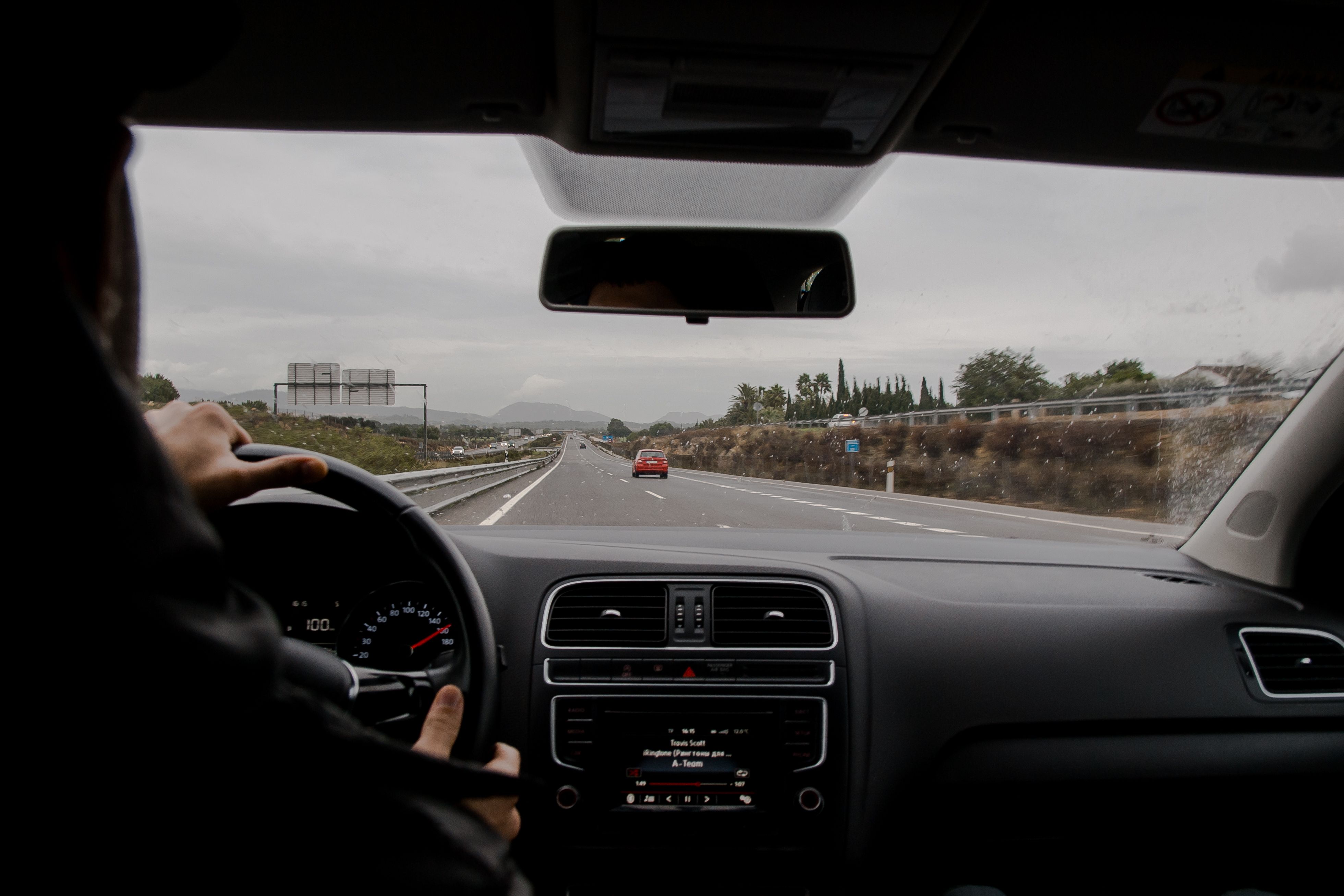
Used cars, while often more budget-friendly upfront, require more due diligence. Popular online platforms like Coches.net, AutoScout24, and Milanuncios are good starting points. When buying used, you'll be responsible for the transfer tax (Impuesto de Transmisiones Patrimoniales or ITP), which typically ranges from 4% to 8% of the car's official value, depending on your autonomous community. Always check the vehicle's history with the DGT (informe DGT) to ensure there are no outstanding debts, fines, or embargoes attached to it.
Woman driving car
Exploring Spain by car opens up a world of possibilities for expats.

The Bureaucracy of Buying

Regardless of whether you choose new or used, some key documents and steps are universal for expats purchasing a vehicle in Spain. You'll need your NIE (Foreigner Identification Number), proof of address (certificado de empadronamiento), your passport or TIE, and a Spanish bank account.
  • Sales Contract (Contrato de Compraventa): A formal, written contract detailing the vehicle, price, and buyer/seller information is essential.
  • Transfer Tax Payment (ITP): For used cars, you, as the buyer, are responsible for paying the ITP at your local tax office.
  • DGT Ownership Transfer: The ownership must be officially transferred at a DGT office within 30 days of purchase. This requires the signed contract, tax payment proof, your ID, and the car's existing documentation (permiso de circulación and ficha técnica).
  • Insurance: It is legally mandatory to have at least third-party liability insurance (seguro a terceros) before you can drive the car. In Spain, the insurance is linked to the vehicle, not solely the driver.
  • Road Tax (IVTM): This is an annual municipal tax based on the car's characteristics and your registered municipality, payable between April and June. Unpaid road tax can prevent ownership transfer.
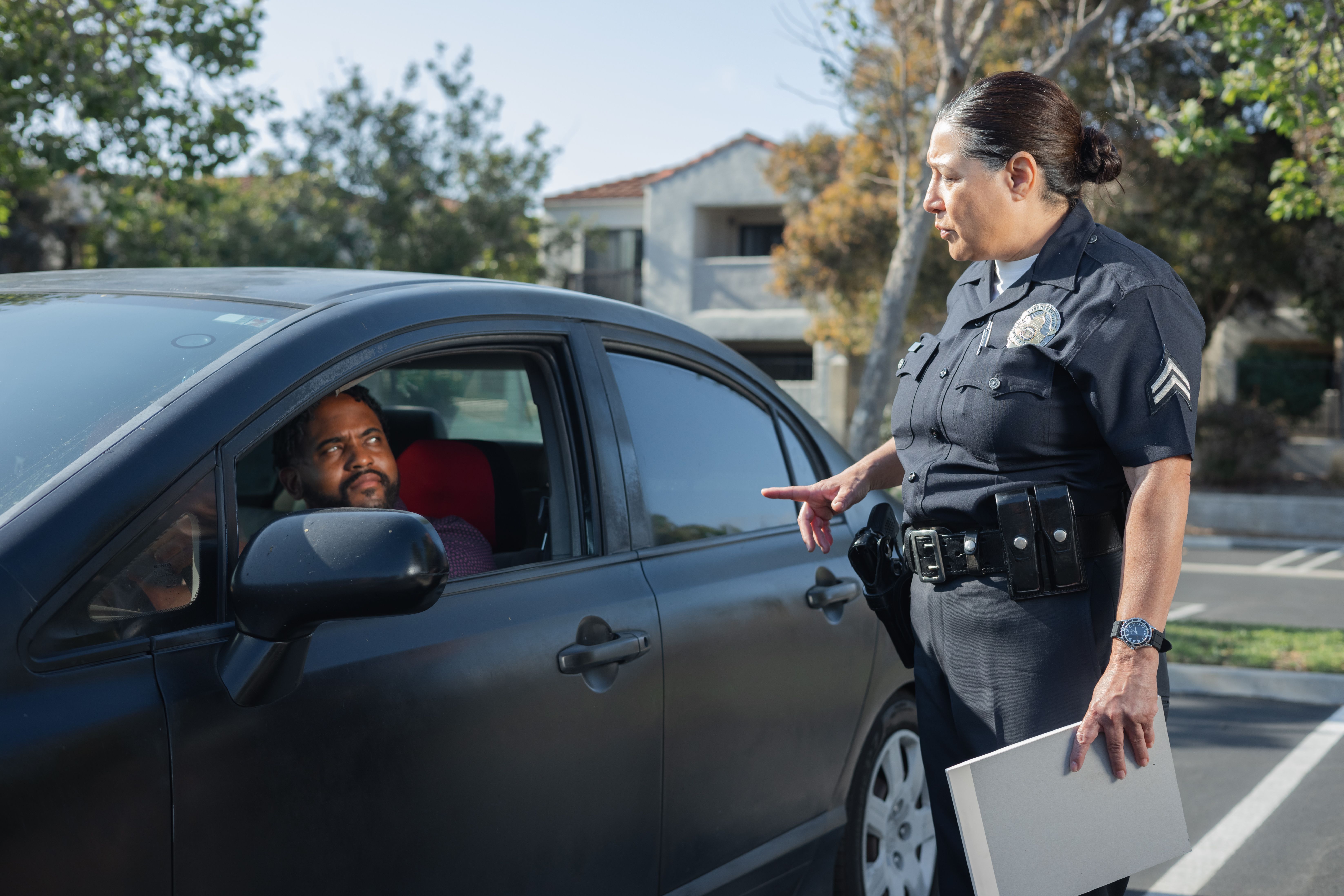
Police officer stops car
Ensuring your vehicle meets all Spanish legal requirements for a worry-free journey.
Mandatory Vehicle Inspection (ITV)

The Inspección Técnica de Vehículos (ITV) is Spain's equivalent of an MOT. New cars are exempt for the first four years, then require inspection every two years until they are ten years old, after which it becomes annual. You'll need your vehicle's registration certificate (Permiso de Circulación) and technical sheet (Ficha Técnica), along with proof of insurance, to attend the appointment. Driving with an expired ITV is illegal and can lead to substantial fines, and you cannot even drive the car to the ITV station if it's expired; it must be towed.

From 2026, your car must also carry a DGT-homologated V16 connected beacon to pass the ITV.

!
Tip: The administrative process for buying a car, especially a used one, can be complex. Consider hiring a gestor (administrative agent) to help with paperwork, DGT checks, and ownership transfer. Their fees are typically €150–€300 and can be well worth the peace of mind.
Making sure your vehicle is properly insured is not just a legal obligation but also crucial for your peace of mind. The minimum requirement is third-party liability, but many expats opt for more comprehensive coverage (todo riesgo) for better protection. While Spain doesn't have a formal no-claims bonus transfer system like some countries, many insurers will consider your no-claims history from abroad when calculating your premium.

Remember, the car is insured, not the driver, so you'll need a policy for each vehicle you own. Always carry your proof of insurance, vehicle registration, and driver's license (and an International Driving Permit if you're a non-EU national on a short stay) in the car.

Navigating the administrative aspects of driving and car ownership in Spain can feel like a lot to take in, but with a clear understanding of the steps involved, it becomes much less daunting. From securing your Spanish driving license to registering and insuring your new vehicle, each step brings you closer to enjoying the freedom of the open road.

Embrace the journey, be patient with the paperwork, and soon you'll be cruising through Spain, enjoying all the incredible sights and experiences this beautiful country has to offer. If you need personalised guidance on your relocation to Spain, don't hesitate to speak to a specialist for a tailored consultation. We're here to help you every step of the way!
i
Disclaimer: The information in this article is for general informational purposes only and does not constitute legal, tax, or financial advice. Laws and regulations change frequently — always verify with official sources and consult a qualified professional before making any decisions.
Temasdriving in SpainSpanish driving licenseexpat carbuying a car SpainDGTITVrelocation Spain

En este artículo

  1. 01Hitting the Spanish Roads: Your Driving License
  2. 02Acquiring Your Spanish Wheels: Buying a Car

¿Necesitas ayuda con esto?

Cuéntanos tu caso y compara ofertas de especialistas que se ocupan de ello.

También te puede gustar

Recomendado para ti

A woman with a grey bob and round glasses in a grey cardigan, holding a mug, beside the words Your first January as an autónomo: what gets filed
autónomo Spain

First Year as an Autónomo in Spain: What Does My Gestor File in January, and What Do I Hand Over?

Registered as autónomo in Spain this year? What the tax agency's calendar groups in January, what your gestor needs from you in December, the choices for next year, and what to ask before the returns go in.

9 min de lectura26 Nov 2026
Leer
A woman with a long dark braid in a teal cardigan, smiling, beside the words No NIE appointment? Who can help and who to avoid
NIE appointment

Can't Get an NIE Appointment in Spain? Gestor, Lawyer or Consulate: Who Can Help?

No free slot for your NIE? The police issue the number, the appointment costs nothing, and nobody may sell you one. How the booking works, what goes in the file, and when a gestor, an immigration lawyer or a consulate is the right help.

9 min de lectura24 Nov 2026
Leer
A man with sandy hair and a light beard in an olive overshirt, a phone in one hand and a laptop sleeve under his arm, beside the words A requerimiento? Your file is open. Answer each point.
requerimiento

Extranjería Sent Me a Requerimiento Asking for More Documents. What Does It Mean, and Who Can Help Me Answer It?

A requerimiento is a request from the immigration office for papers it still needs, and your file stays open while you answer. What the word means, why offices send one, how it reaches you, how to build the reply and who can prepare it.

9 min de lectura21 Nov 2026
Leer

¿Listo para empezar tu aventura española?

Nuestros expertos te guían en cada paso, desde la selección del visado hasta asentarte en España.

Sin compromiso · Sin tarjeta de crédito · Conexión en 48 horas

Contáctanos
ExpatronusExpatronus

Encuentra y contrata expertos en visados, impuestos, temas legales y vivienda en toda España. Publica tu caso una vez, compara sus ofertas y paga solo a quien elijas. Expatronus está hecho por expatriados, para expatriados.

Acepta nuevos clientes actualmente

Servicios

  • Visado e Inmigración
  • Vivienda
  • Banca
  • Impuestos y Legal
  • Colegios y Educación
  • Mudanza y Logística
  • Seguros
  • Constitución de Empresa
  • Ver todos los servicios

Herramientas gratuitas

  • Atlas de visados de Europa
  • Plan de mudanza
  • Planificador de visados
  • Planificador de NIE y padrón
  • Esperas de cita previa
  • Comprobador de carné

Empresa

  • Blog
  • Contacto
  • Hazte proveedor

Contacto

  • info@expatronus.com

Hablamos

ENESRU

© 2026 Expatronus Todos los derechos reservados.

Política de PrivacidadTérminos de ServicioPolítica de Cookies