Specialists pay a small commission only when you hire them. No hidden fees, no subscription, no catch.
Spain
Setting Up Utilities in Your Spanish Home: Electricity, Water, and Internet Connections
Moving to Spain is an exciting adventure, and getting your new home connected is a key step. This guide breaks down the process of setting up electricity, water, and internet, offering practical advice to make your transition smooth.
Expatronus Team6 min read
Welcome to your new life in Spain! Whether you've just arrived or are deep in the planning stages, one of the most practical (and essential) tasks you'll face is getting your home connected to the vital services: electricity, water, and internet. It might seem a bit daunting with new terminology and systems, but think of it as just another exciting step in settling into your fantastic new Spanish life. We're here to walk you through it, just like an experienced friend who's been there and done that.
Laying the Groundwork: Your Essential Documents
Before you even think about calling a utility company, you'll need a few key pieces of paperwork in order. These are standard requirements across the board for almost any administrative task in Spain, so having them ready will save you a lot of time and potential headaches. The most crucial items are your NIE (Número de Identificación de Extranjero), which is your foreigner's identification number, and a Spanish bank account. Most utility providers require a Spanish bank account for direct debit payments, which is the most common way to pay bills here.
Your NIE Number: Essential for all official contracts.
Passport or Valid ID: Proof of your identity.
Spanish Bank Account (IBAN): For setting up direct debits.
Proof of Address: This could be your rental contract (contrato de alquiler) or property deeds (escritura de compraventa).
CUPS Code (Código Universal del Punto de Suministro): If the property has existing connections, this unique code identifies the supply point. You can usually find it on a previous bill for that address.
!
Tip for IBANs: While SEPA regulations technically mean any Eurozone IBAN should be accepted, some Spanish utility systems can be finicky with non-Spanish IBANs (e.g., those starting with DE or FR). A quick solution for expats can be to open an account with a neobank like Revolut or N26 that provides an ES-starting IBAN.
Electricity (Electricidad): Understanding Your Power
Spain's electricity market is liberalized, giving you the freedom to choose your provider. This means you'll typically encounter two main types of contracts: the mercado regulado (regulated market), also known as PVPC (Precio Voluntario al Pequeño Consumidor), and the mercado libre (free market). The PVPC tariff has prices set by the government, which fluctuate hourly based on the wholesale market. It can be cost-effective if you can shift your usage to off-peak hours (nights and weekends). Free market contracts, on the other hand, allow providers to set their own prices and conditions, often offering fixed rates for a set period, which can provide more predictability.
When you receive your electricity bill, two terms are crucial to understand: Potencia Contratada and Consumo. Potencia contratada refers to your contracted power capacity, measured in kilowatts (kW), and it's a fixed monthly charge you pay regardless of how much electricity you actually use. Think of it as the 'size of the pipe' delivering electricity to your home. Consumo is your actual electricity usage, billed in kilowatt-hours (kWh). Many expats often have a higher potencia than they truly need, leading to unnecessary fixed costs.
!
Warning: Optimize Your Potencia! Reducing your contracted power can lead to significant monthly savings. If your breaker rarely trips, you might be paying for more potencia than you require. Conversely, if it trips often, you may need to increase it. Reviewing this can potentially save you €10-25 per month.
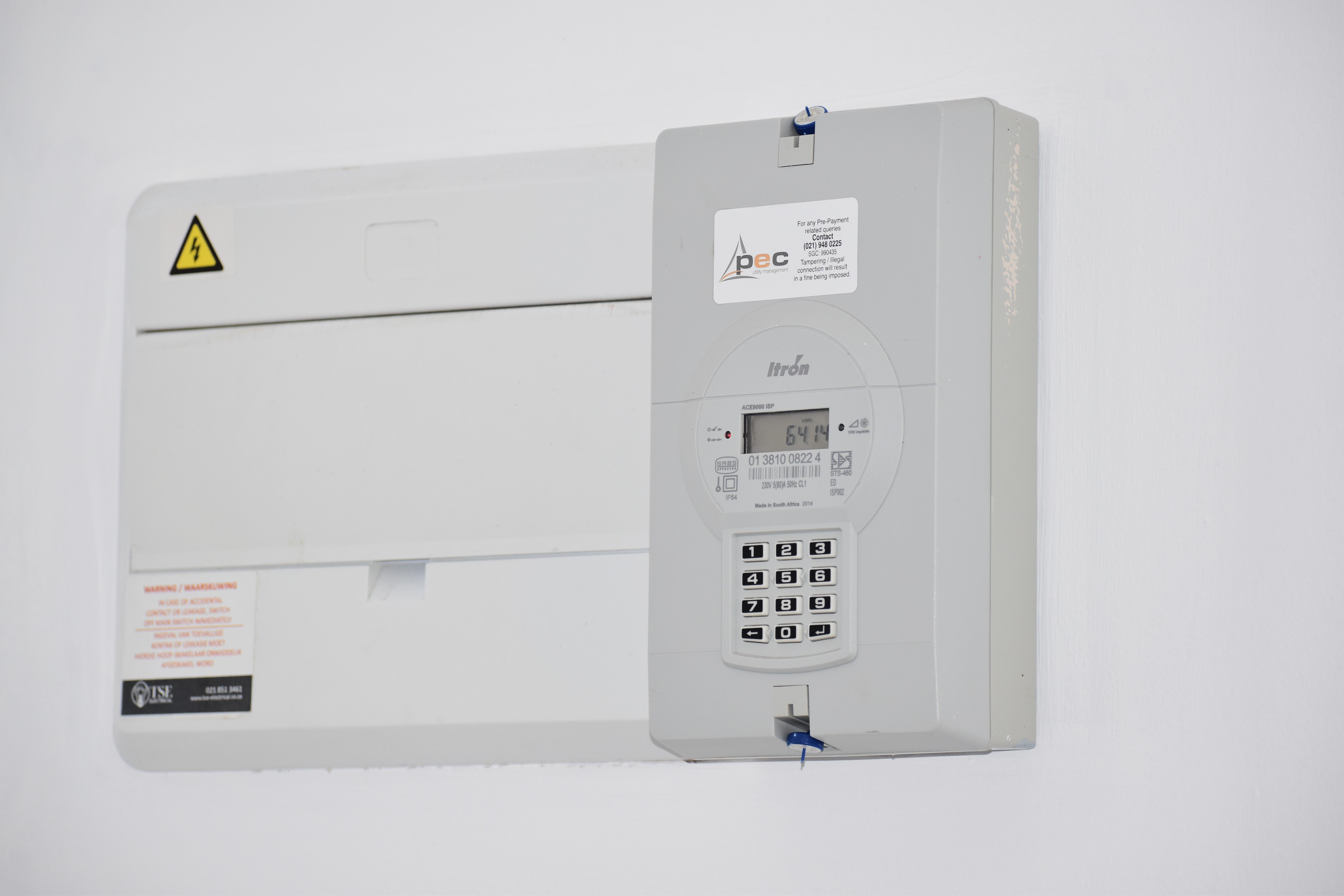
Smart meters can help you monitor your consumption patterns.
Most Spanish households now have smart meters, which facilitate different pricing tiers throughout the day. These are typically divided into three periods: Punta (peak, most expensive), Llano (mid-peak, medium price), and Valle (off-peak, cheapest, usually nights, weekends, and public holidays). If you can adjust your habits to use high-consumption appliances like washing machines or dishwashers during Valle hours, you could see noticeable savings on your bill. Major providers include Endesa, Iberdrola, Naturgy, Repsol, and TotalEnergies, many of which also offer services through their regulated market brands. When signing up or switching, you'll need your CUPS code, which is unique to your property.
Water (Agua): Ensuring a Steady Supply
Unlike electricity, your water provider in Spain is generally determined by your municipality. You won't typically have a choice of supplier, as water services are managed at a local level, either directly by the town hall (ayuntamiento) or through a regional private company. To set up water in your name, you'll usually need to contact your local town hall or the specific water company for your area. You'll need your NIE, passport, and a Spanish bank account for direct debit, along with proof of ownership or a rental agreement. It's also a good idea to confirm that the previous owner or tenant has paid all outstanding water bills.
Your water bill will typically include charges for consumption, sewerage, and sometimes even rubbish collection, as these services are often bundled together by the local council. Bills are generally issued monthly or quarterly and, like electricity, are most commonly paid via direct debit.
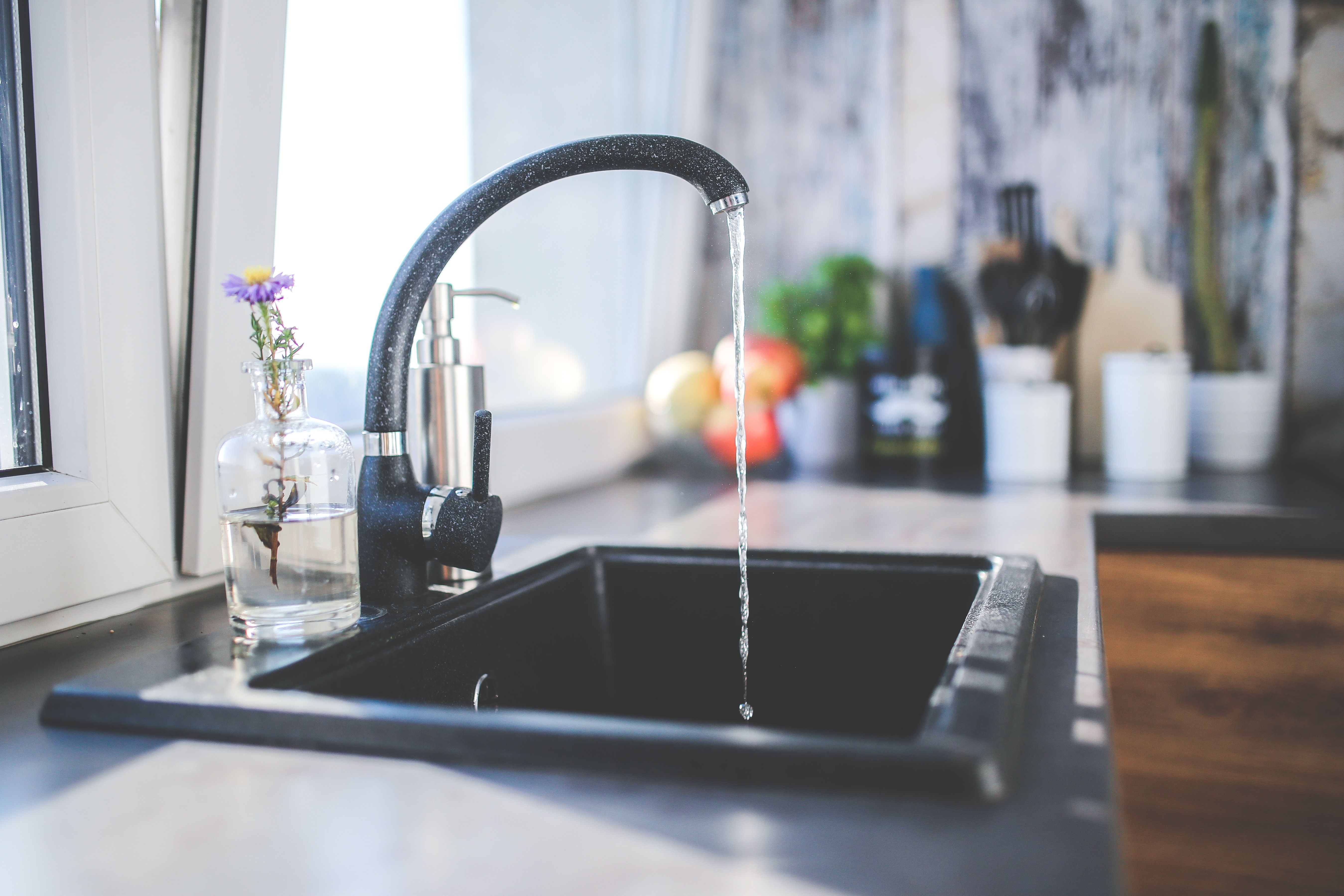
Access to clean and reliable water is a given in most Spanish homes.
Internet & Mobile: Seamless Connectivity
Spain boasts excellent fiber optic (fibra óptica) coverage, with high-speed internet readily available in most urban and even many rural areas. You'll find a wide array of providers offering various packages, often bundling internet with mobile phone services and even TV. This can be a very cost-effective way to manage your communication needs. Popular providers include Movistar, Vodafone, Orange, MásMóvil, and its associated brands like Yoigo, Pepephone, and Lowi. Newer, often more budget-friendly options like Digi and O2 are also strong contenders.
Movistar, Vodafone, Orange: The 'big three' offering extensive coverage, reliable infrastructure, and comprehensive bundles.
MásMóvil Group (Yoigo, Pepephone, Lowi): Often provide competitive prices and flexible plans, including no-contract options.
Digi, O2, Avatel: Known for aggressive pricing and good value, especially in specific regions or for those seeking lower monthly costs.
Setting up internet typically involves choosing a provider, selecting a plan (fiber is highly recommended if available), and arranging for installation. This process usually takes between one to three weeks from placing your order. You'll need your NIE and a Spanish bank account, just like with other utilities. Be sure to compare contract lengths, as some providers may require a 12-month commitment, while others offer more flexibility. Don't hesitate to check out a free relocation assessment if you need assistance with comparing and choosing the best package for your area.
Payment Methods: Simplifying Your Bills
Across all utility types in Spain, domiciliación bancaria, or direct debit, is the most common and convenient payment method. You authorize the utility company to automatically withdraw the bill amount from your Spanish bank account on the due date. This saves you from remembering payment deadlines and ensures your services remain uninterrupted. When setting this up, you'll complete a direct debit mandate form, providing your bank account details. It's always wise to monitor your bank statements to ensure the correct amounts are being debited and that you have sufficient funds available.
Navigating utility setup in a new country can feel like a mini-project in itself. The best advice is to be organized, keep all your documents handy, and don't be afraid to ask questions. While many companies offer English-speaking support, having a little Spanish can go a long way. If the process feels overwhelming, remember that specialist relocation services exist to help you every step of the way. You can always speak to a specialist for personalized guidance.
Getting your utilities sorted is a significant milestone in making your Spanish house truly feel like home. With a bit of preparation and understanding of the local systems, you'll be enjoying lights, hot water, and seamless internet connectivity in no time. ¡Buena suerte! (Good luck!)
i
Disclaimer: The information in this article is for general informational purposes only and does not constitute legal, tax, or financial advice. Laws and regulations change frequently — always verify with official sources and consult a qualified professional before making any decisions.
TopicsSpainutilitieselectricitywaterinternetexpat life


.jpg)