


Establishing a bank account in Spain is a critical early step for individuals and families relocating to or investing in the country. The Spanish banking system, while accessible, operates with specific requirements depending on your residency status. This guide aims to demystify the process, providing a professional and precise overview for expats and non-residents seeking to manage their finances in Spain.
Understanding Residency Status: Resident vs. Non-Resident Accounts
Essential Documentation for Opening a Spanish Bank Account
Regardless of residency status, all applicants are typically required to provide a valid, unexpired passport or national identity card (for EU citizens) and proof of their employment or financial status. Banks are legally obligated to verify the source of funds to comply with anti-money laundering regulations. For substantial deposits or investment accounts, banks may request a more extensive income history, sometimes spanning one to three years.
Specific Requirements for Non-Resident Accounts
For non-residents, the documentation typically includes:
- Valid Passport: Your primary identification document.
- Proof of Address: A recent utility bill (less than three months old) or a bank statement from your home country demonstrating your address.
- Proof of Occupation or Financial Status: Documents such as recent payslips, an employment contract, a student card, or a pension statement.
- Certificado de No Residencia: A certificate of non-residency, obtainable from a Spanish police station or a Spanish consulate abroad. Some banks may also assist in obtaining this for a fee.
- Spanish Tax Identification Number (NIE): While some banks may permit opening a non-resident account with only a passport, an NIE is often required for various transactions in Spain and may eventually be requested by your bank.
- Source of Funds Documentation: To confirm the legal origin of deposits, especially for amounts exceeding €10,000 for non-EU applicants.
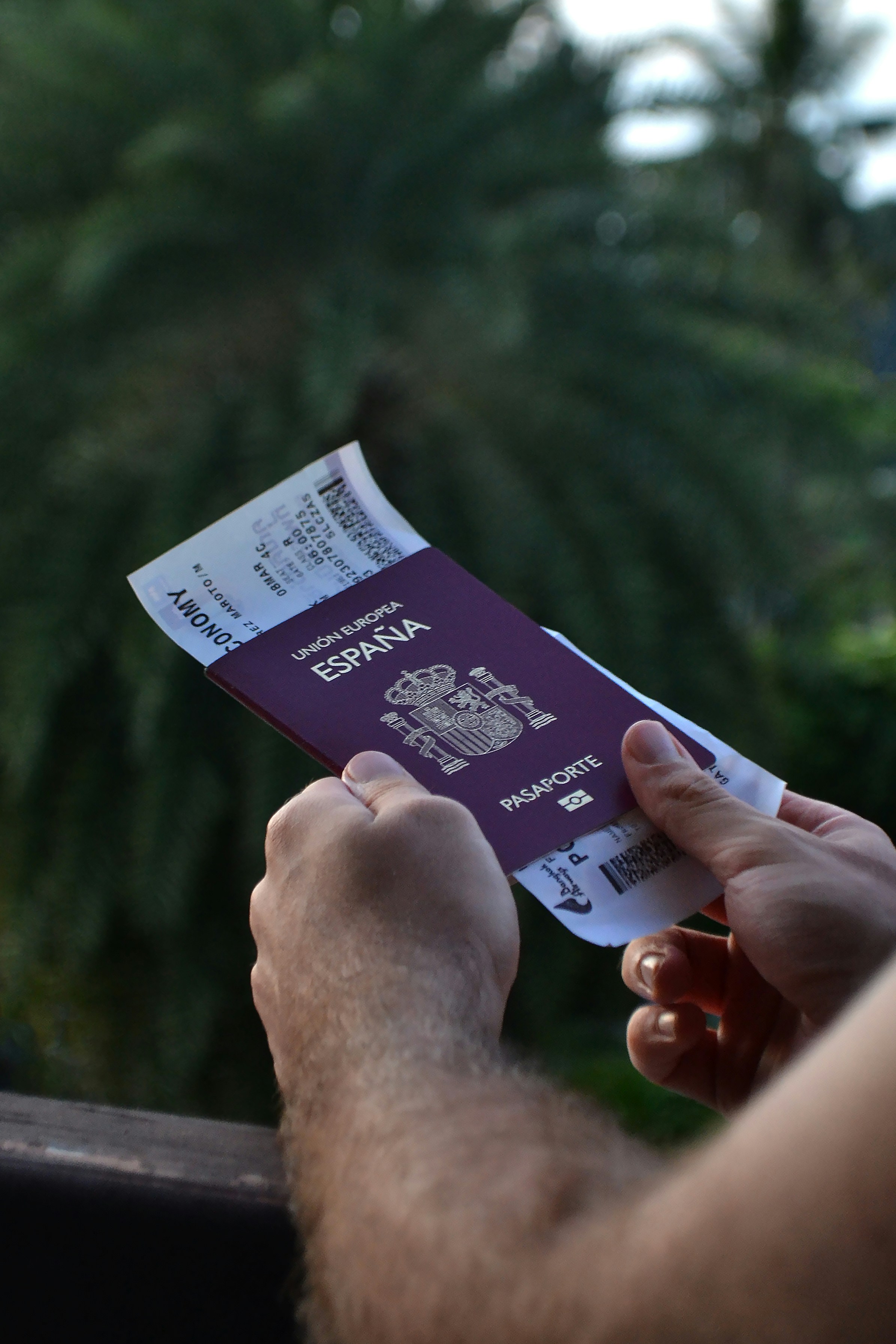
Specific Requirements for Resident Accounts
For individuals with legal residency in Spain, the requirements typically include:
- Valid Passport or National ID Card: As primary identification.
- NIE Certificate or TIE Card: The Número de Identificación de Extranjero (Foreigner Identification Number) or Tarjeta de Identidad de Extranjero (Foreigner Identity Card) is essential.
- Padrón Certificate: A certificate of empadronamiento from your local town hall, confirming your registered address in Spain.
- Proof of Income or Employment Status: Such as an employment contract, recent payslips, freelance registration, pension award letters, or tax returns.
- Spanish Mobile Number: Often required for SMS verification for online banking.
The NIE Number: Your Indispensable Identification
The NIE (Número de Identidad de Extranjero) is a unique, permanent identification number assigned to foreigners in Spain. It is fundamental for almost all administrative, financial, and legal activities, including opening a bank account, signing contracts, buying property, and engaging in employment. While some non-resident accounts may be initiated without it, acquiring an NIE is highly advisable for anyone planning extended stays or significant transactions in Spain. EU citizens are typically required to apply for an NIE within three months of arrival, while non-EU citizens often obtain it as part of their visa application process.
Choosing the Right Bank and Account Type
Spain offers a diverse banking landscape, including traditional banks (e.g., Santander, BBVA, CaixaBank, Sabadell) and digital-only alternatives (e.g., N26, Revolut). When selecting a bank, consider factors such as: fee structures (monthly maintenance, debit card fees, international transfer costs), availability of English-speaking staff, online and mobile banking capabilities, and ATM network access. Some banks, like Banco Sabadell and CaixaBank (HolaBank), have specialized services designed for expats. Online-only banks often provide fee-free accounts and user-friendly digital platforms.

The Application Process: Step-by-Step
The process of opening a bank account in Spain typically involves several key steps:
- Research and Selection: Compare banks based on your specific needs (resident/non-resident, fees, services, language support).
- Gather Documents: Ensure all required identification, address, and income proofs are prepared. For documents issued outside Spain, banks may require official translations.
- Appointment or Online Application: You can often schedule an appointment online or visit a branch directly. Some banks offer fully online application processes with video verification, particularly for non-resident accounts.
- Identity Verification and Application Completion: Present your documents, complete application forms, and sign the necessary agreements. Banks must perform identity verification and source of funds checks.
- Account Activation: Resident accounts may be activated within 1-2 business days, while non-resident accounts typically take 3-5 business days. Digital banks may offer same-day activation.
Post-Opening Considerations
Once your account is open, activating online banking and mobile apps is crucial for managing your finances. Be mindful of potential account maintenance fees, which can vary significantly between banks and account types. Non-resident accounts may incur higher annual fees (typically €140-€160) compared to resident accounts, which are often free, especially with online options. International transfers, particularly outside the EU, can involve substantial fees with traditional banks; exploring specialized services like Wise or Revolut for these transactions may offer cost efficiencies. Remember that any banking transaction exceeding €3,000 typically requires identification of both payer and payee.