


Dreaming of sun-drenched plazas, delicious tapas, and a vibrant new life in Spain? It's an incredible aspiration! However, before you fully immerse yourself in the Spanish way of life, there's one significant hurdle many expats face: the country's unique bureaucratic system. It can feel daunting, confusing, and at times, utterly baffling. But don't worry, you're not alone, and with the right approach, it's entirely manageable. Think of me as your seasoned expat friend, here to share some honest, practical advice on navigating those administrative waters with grace and, most importantly, patience.
The Initial Shock: Understanding the Spanish System
Spain's administrative processes often differ quite a bit from what you might be used to. It's typically a paper-heavy system, and in-person interactions are still very common, even in our increasingly digital world. What might be a quick online transaction in your home country could involve several steps, forms, and appointments here. Spain's administrative structure is also decentralized, with responsibilities shared between national, regional, and local authorities, meaning procedures can vary depending on your specific location.
Essential Documents to Have Ready (and in Triplicate!)
Before you even think about stepping into a government office, gathering your core documents is paramount. This isn't just about having them; it's about having them organized, copied, and potentially translated. Always bring originals and at least three photocopies of everything. Offices rarely tell you in advance precisely what they'll ask for, and a missing document can lead to rebooking an appointment weeks later.
- Passport: Your primary identification. Ensure it's valid for at least six months beyond your intended stay.
- NIE (Número de Identidad de Extranjero): Your Foreigner Identification Number. This is crucial for almost all administrative, financial, and legal activities, like opening a bank account, signing contracts, or buying property. It's a permanent number, even if the certificate itself has limited validity for presentation.
- Certificado de Empadronamiento (Padrón): This is your registration with your local town hall (Ayuntamiento), confirming you reside in that municipality. It's mandatory for all residents and gives you access to local services.
- Número de la Seguridad Social (NUSS): Your Social Security Number. Essential if you plan to work in Spain (either as an employee or self-employed) as it tracks your contributions and provides access to healthcare.
- Proof of Address: A rental contract, property deeds, or a recent utility bill in your name.
- Proof of Financial Means: Depending on your visa type, you'll need to demonstrate you can support yourself.
- Health Insurance: Often required for visa and residency applications, especially if you won't be covered by public healthcare initially.
Appointments (Citas Previas): Your Gateway to Progress
The 'cita previa' or 'prior appointment' system is central to Spanish bureaucracy. You'll need one for almost all in-person government procedures, including applying for your NIE, TIE, or Social Security number. Without a confirmed appointment, you generally won't get past the door.
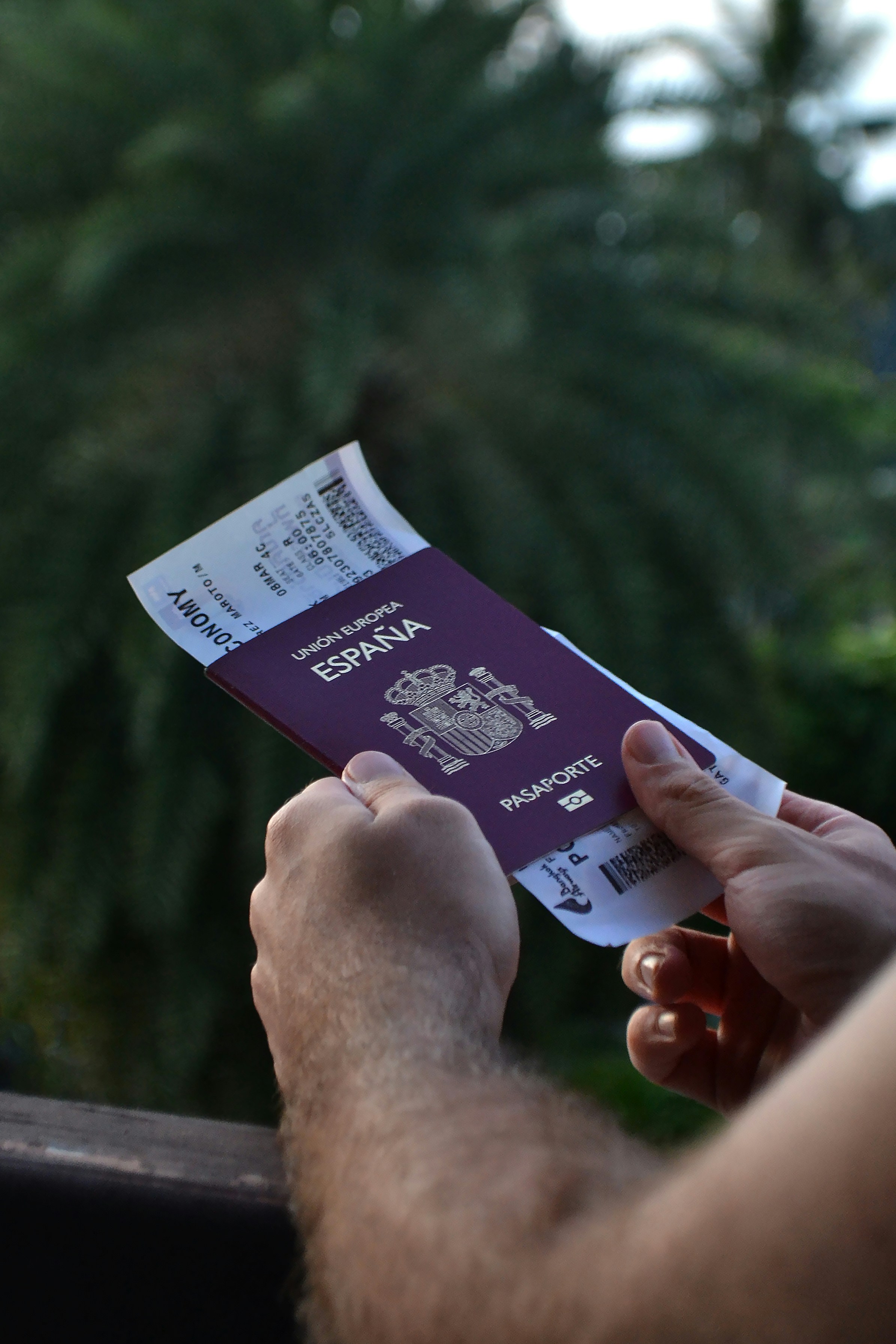
On the day of your appointment, arrive early. Bring every single original document you possess, along with multiple photocopies of each. Even if the website lists specific requirements, officials might request additional documents. Many officials may not switch to English, so having a Spanish-speaking friend, or at least a Spanish summary of your situation, can be incredibly helpful. Be prepared for potential delays and queues, even with an appointment.
Patience and Persistence: Your Best Allies
This is perhaps the most critical tip of all: cultivate an abundance of patience. Things can take time, sometimes more time than you anticipate. You might need to visit an office multiple times for the same procedure, or find yourself waiting for extended periods. Try to approach each interaction with a positive attitude and a smile; a little kindness can go a long way. Remember, the officials are often just doing their job within a complex system.