







Daily life in Spain
Getting around, safety, the climate and the language in Spain, all on one page.
In numbers
Daily life in Spain
Getting around
High speed trains link Madrid with most big cities, and short flights cover the rest of the country and Europe. Inside cities, the metro, buses and bike lanes mean many people never need a car.
- Renfe runs the national trains, and other operators share some high speed lines
- Driving licences from the EU stay valid, and licences from elsewhere are valid only for a limited time after you become resident
- The DGT handles licence exchanges, and some countries have an agreement with Spain
- Each city sells its own public transport card, often with cheaper fares for young people
Safety
Spain is generally a safe place to live. The most common problem for residents is pickpocketing in tourist areas and on public transport, so people keep an eye on their phone and bag in crowds.
- The European emergency number works everywhere in Spain, and its operators often speak English
- Catalonia and the Basque Country have their own regional police, the Mossos d'Esquadra and the Ertzaintza
- You report a theft at a police station, and the report is usually needed to replace stolen documents
- Summer heat is a real health risk in the south and the interior, so follow the heat warnings
Climate and lifestyle
Days in Spain start a little later and end much later than in most of Europe, with long lunches and dinners well into the evening. Life happens in the street, in bars and squares, and every town has its own fiestas.
- Lunch is the main meal, and many small shops close for a while in the afternoon
- Sunday opening depends on the region, and many shops stay closed
- Public holidays mix national, regional and local dates
- Neighbours, the local bar and sports clubs are the easiest way into local life
Language
Spanish is official everywhere, and Catalan, Valencian, Basque and Galician are co-official in their regions. English goes a long way in the big cities, but paperwork, contracts and most of daily life happen in Spanish.
- The Escuelas Oficiales de Idiomas are public language schools that teach Spanish and the regional languages
- The Instituto Cervantes runs the DELE, the official Spanish diploma
- Town halls and community centres often run free or low cost classes for new residents
- Official foreign documents need a sworn translator, a traductor jurado
Public holidays in Spain
2026
Tue, Dec 8Immaculate Conception- Fri, Dec 25Christmas Day
Days off as published in the official bulletins. Shops and offices often close, so plan appointments around them. Source: BOE
More numbers
Spain compared with the EU
Report crime or vandalism where they live
13.6% Worse than average
EU average 10% · 2023
Adults who speak no foreign language
43.7% Worse than average
EU average 25.3% · 2022
City by city
Feel safe walking alone at night, residents of each surveyed city.
Survey average 67.9%
Climate around Madrid
°C · mm
Book an appointment1
Official apps1

Find an office2
Official websites8
 Driving licences and vehiclesdgt.es · Checked on November 7, 2026
- How the 112 emergency number works in Spainadministracion.gob.es · Checked on November 7, 2026
 016 helpline for victims of gender violenceviolenciagenero.igualdad.gob.es · Checked on November 7, 2026
 Guardia Civilweb.guardiacivil.es · Checked on November 7, 2026
- Guardia Civil contact page with the 062 emergency lineweb.guardiacivil.es · Checked on November 7, 2026
 National Police contact page with the 091 numberpolicia.es · Confirmed by hand
 Your Europe, living and working in the EUeuropa.eu · Checked on November 7, 2026
 112, the European emergency numberdigital-strategy.ec.europa.eu · Checked on November 7, 2026
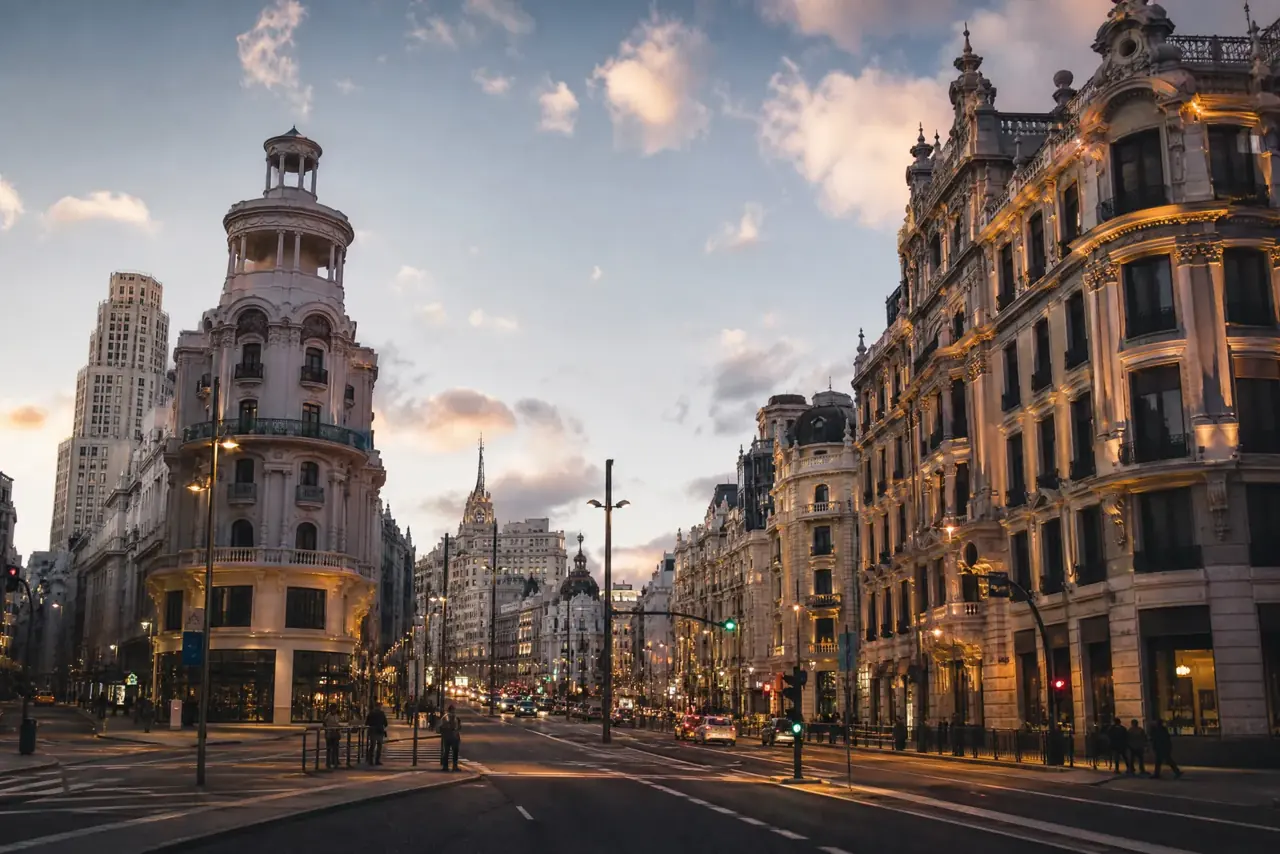
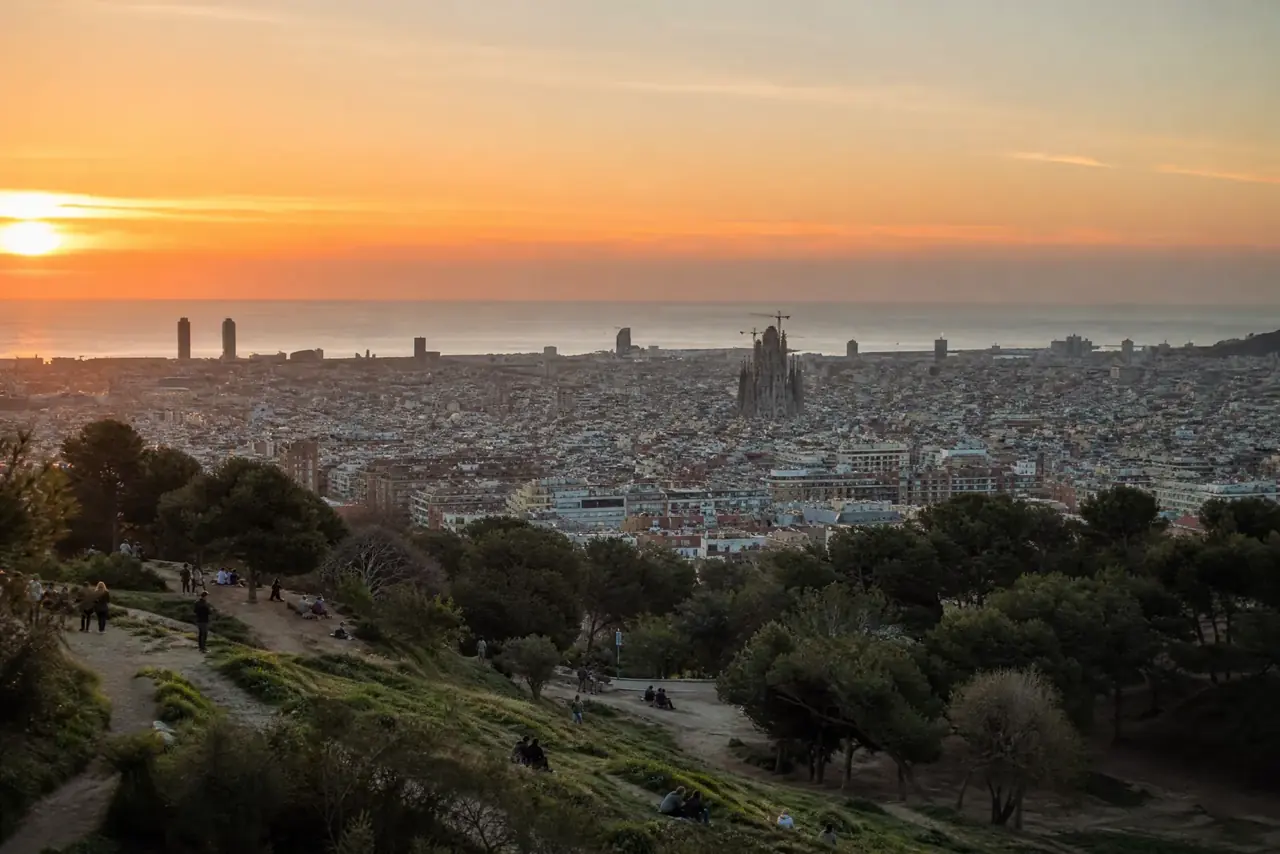
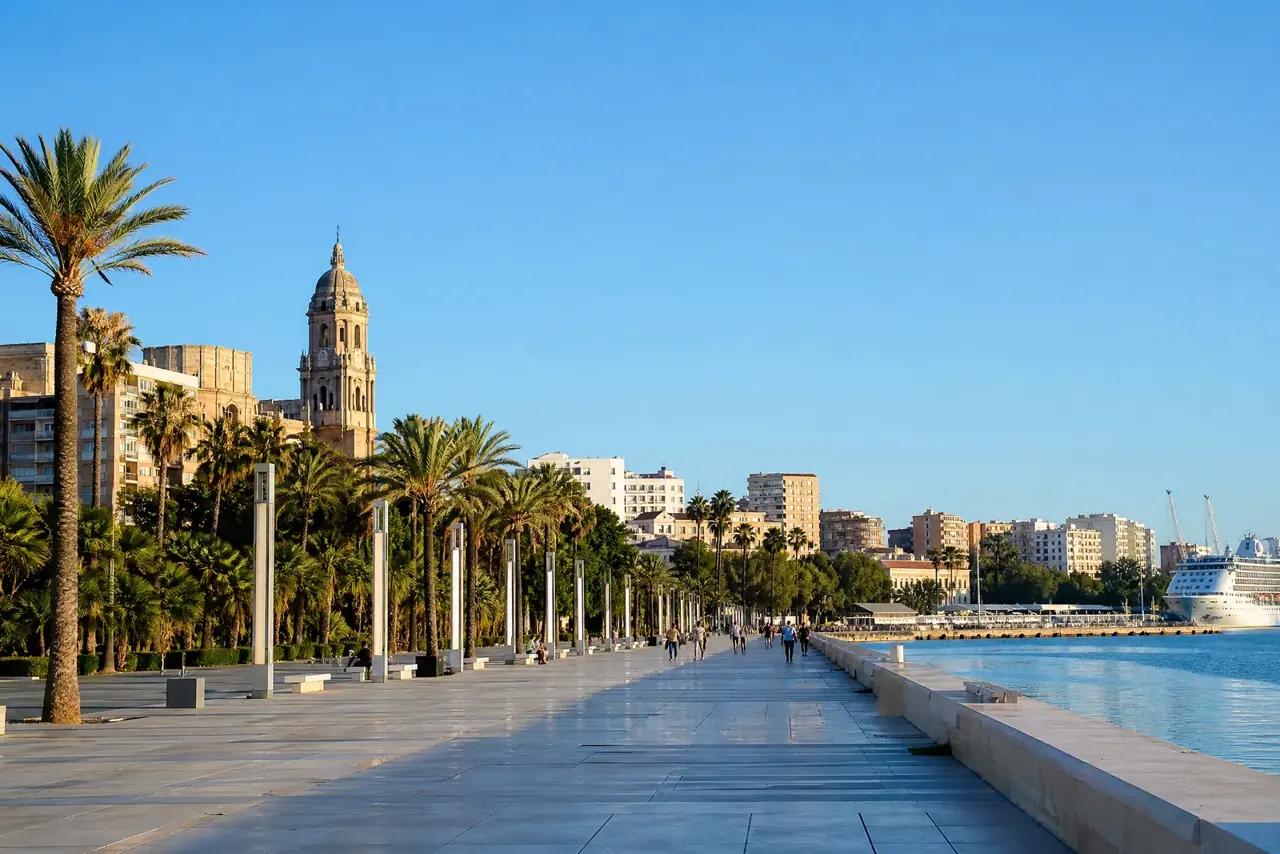
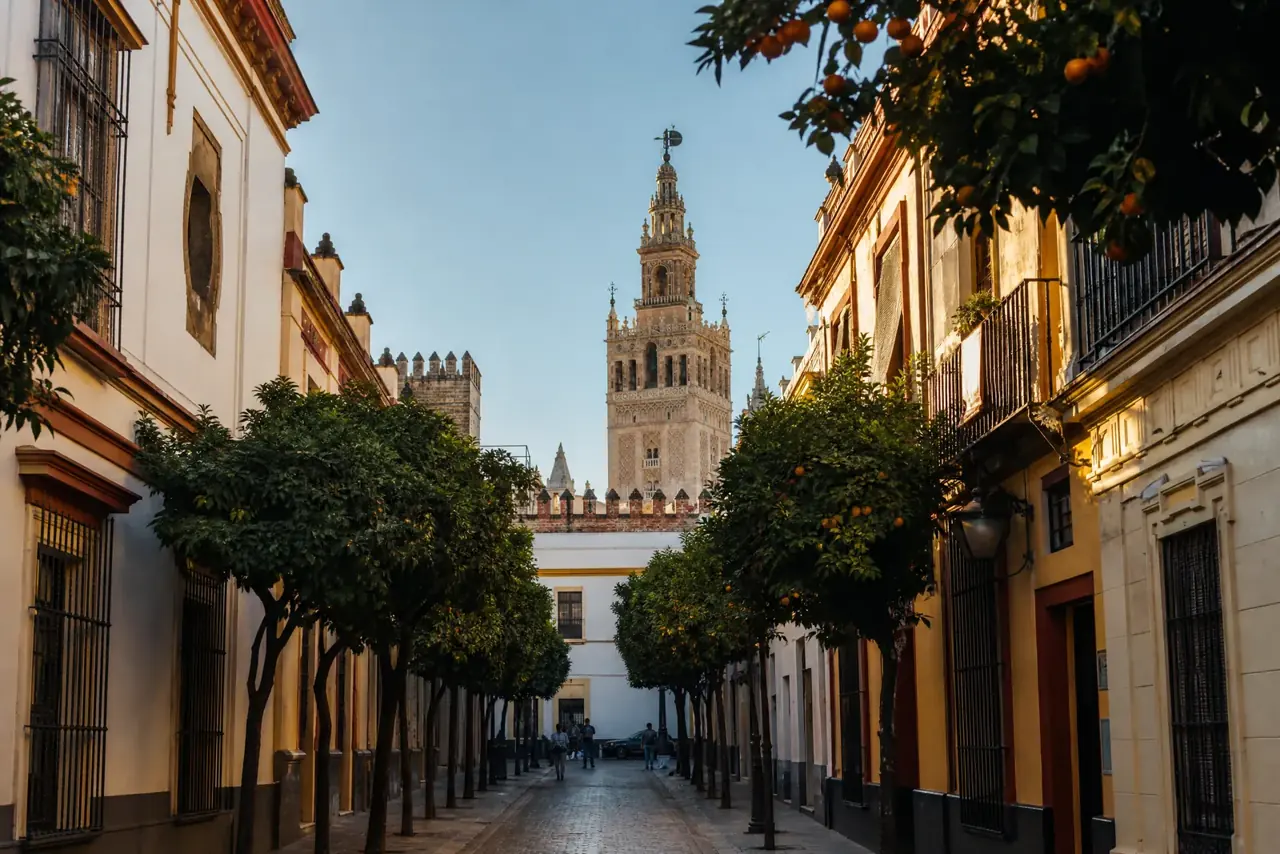
Daily life in each city

Also in this guide








The Atlas explains the landscape. An independent specialist confirms what applies to you.