






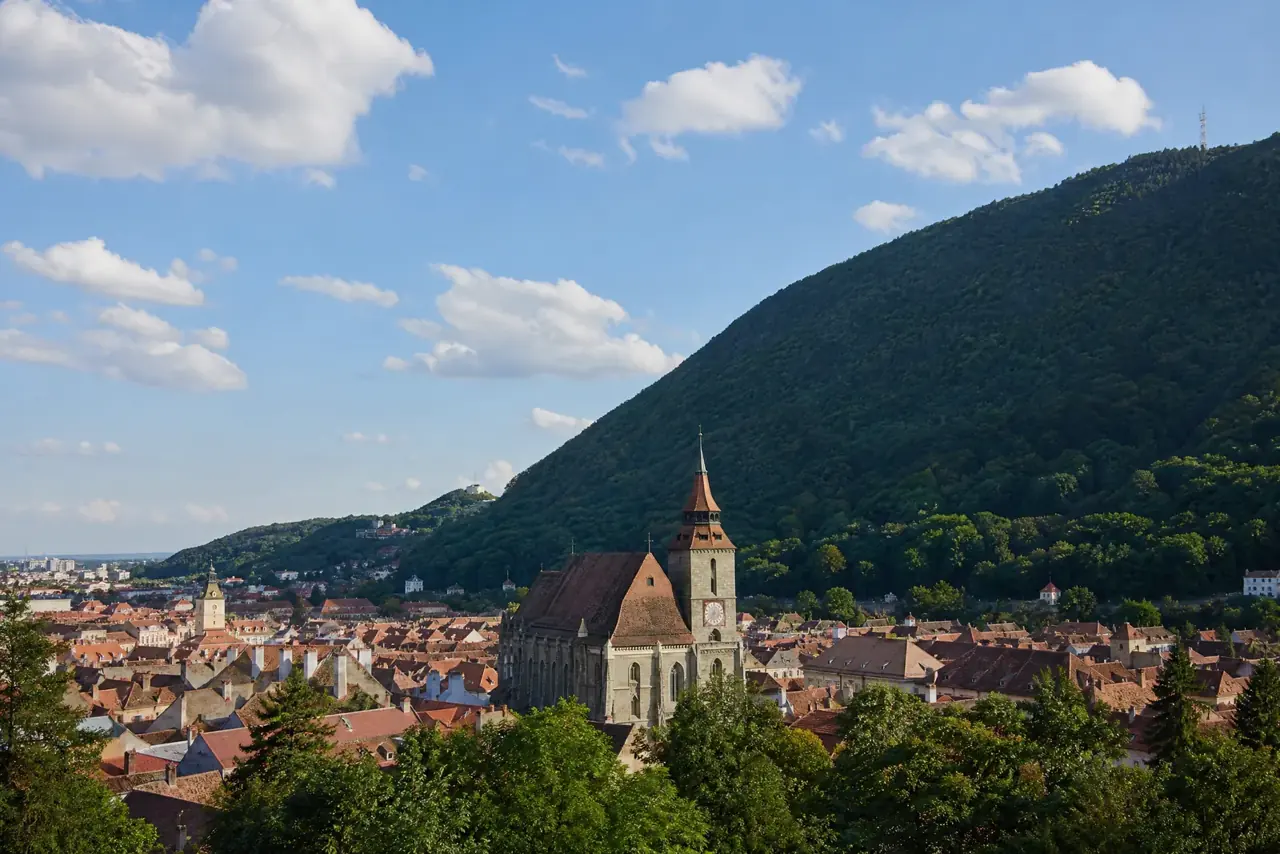

Romania
Romania draws remote workers, students and skilled professionals with its growing tech cities, the Carpathian mountains and a lower cost of living than much of the EU. It is part of the EU and of Schengen and uses its own currency, the leu, and residence for people from outside the EU goes through the General Inspectorate for Immigration.
Visa routes
What do you want to know?








Pick a city
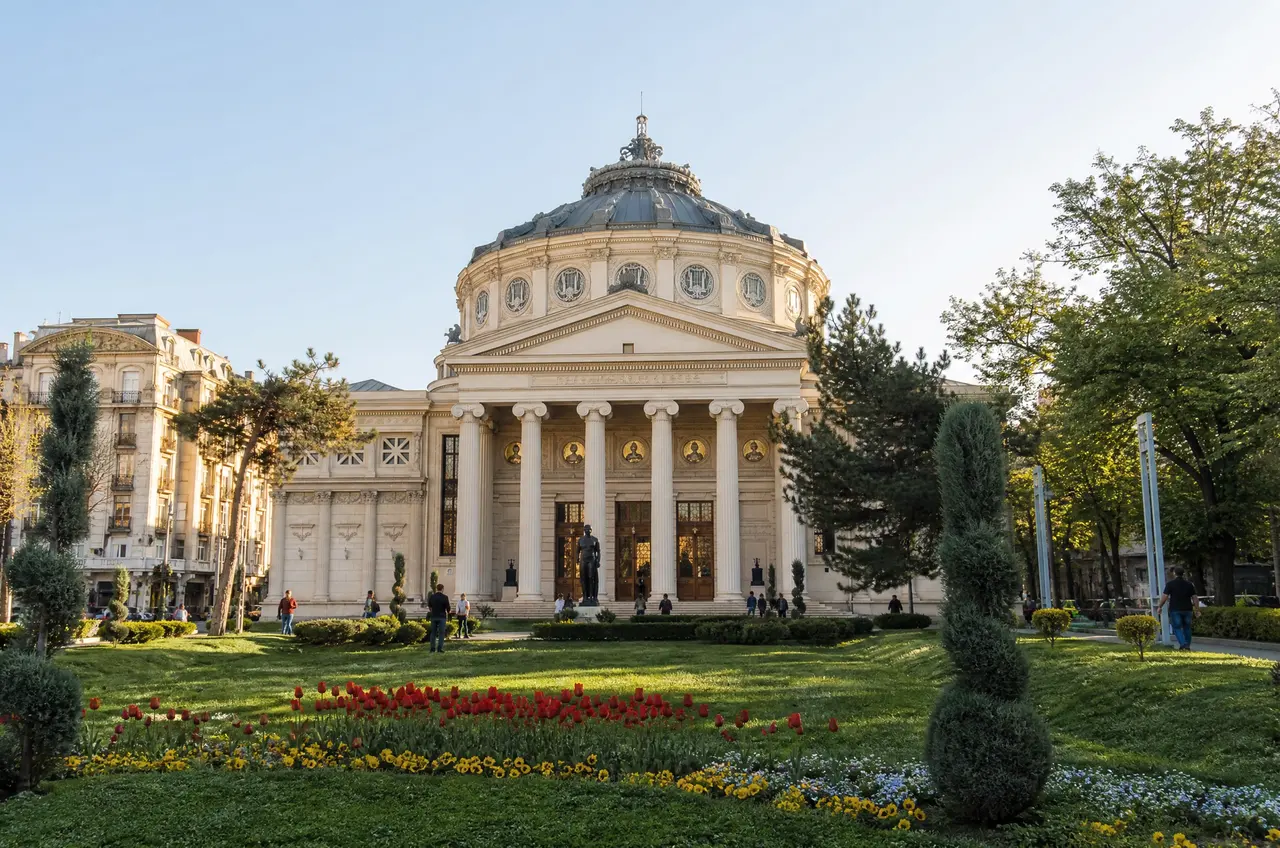 BucharestOne bedroomRON 2,670-RON 4,22535-60% of typical payJan -2°Jul 25°82% satisfied living here
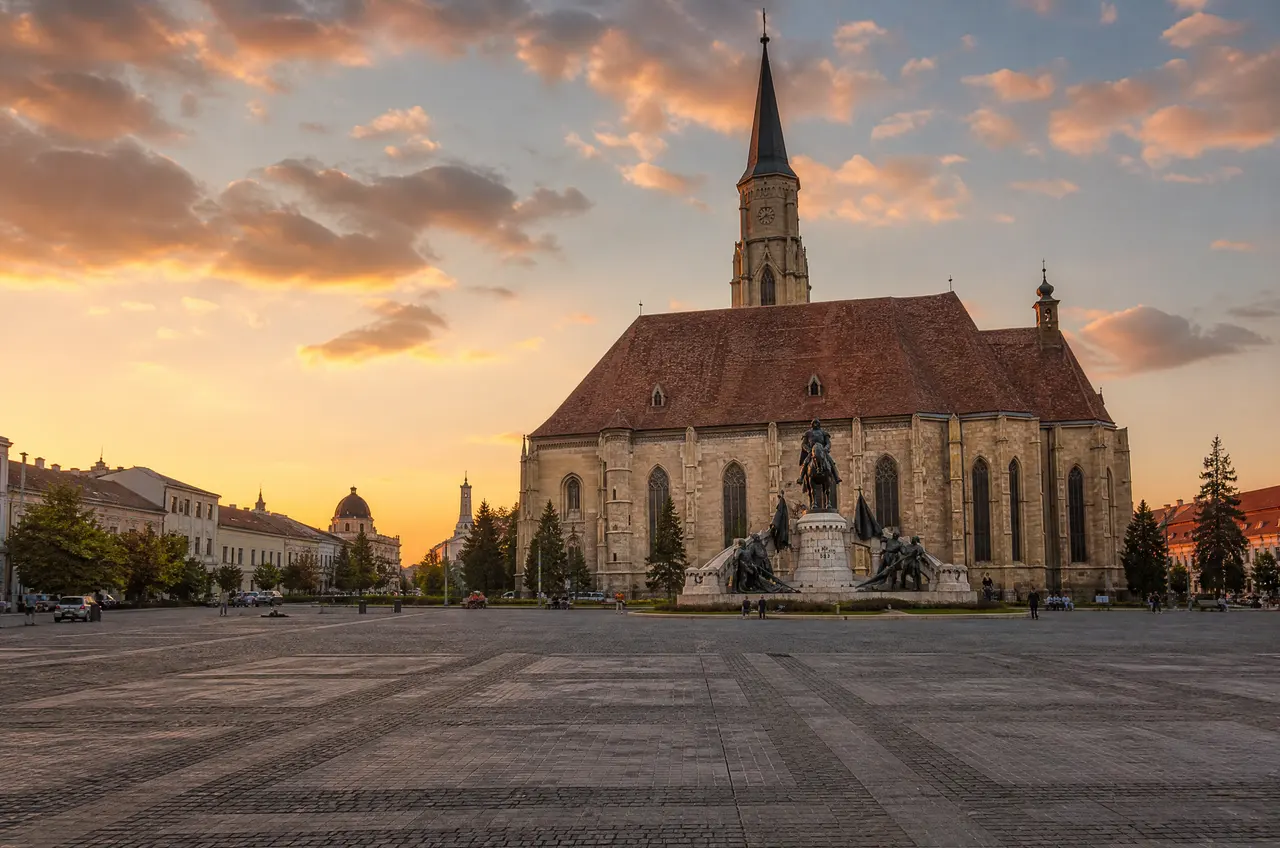 Cluj-NapocaOne bedroomRON 2,650-RON 3,44040-50% of typical payJan -3°Jul 22°94% satisfied living here
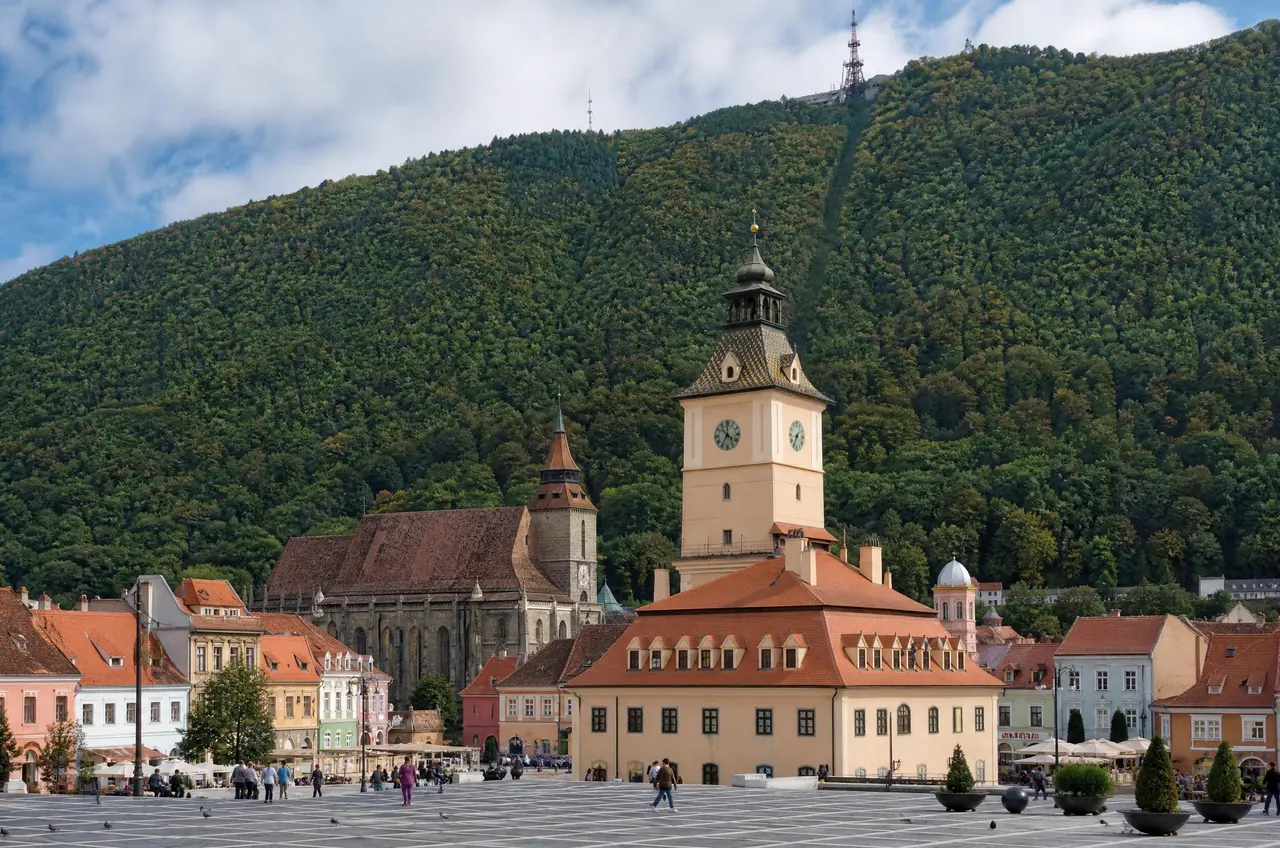 BrașovOne bedroomRON 2,210-RON 3,08040-55% of typical payJan -6°Jul 17°
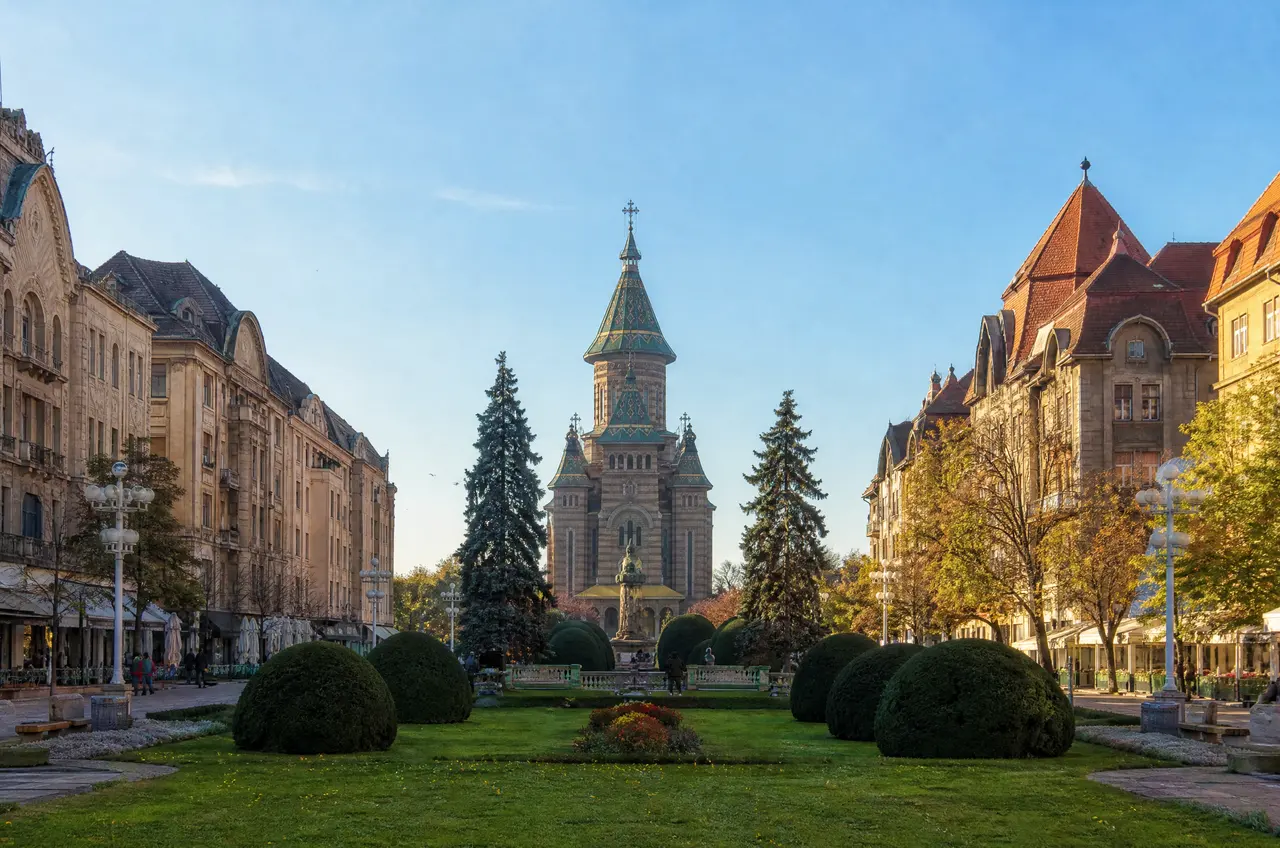 TimișoaraOne bedroomRON 1,930-RON 2,77030-45% of typical payJan -1°Jul 24°
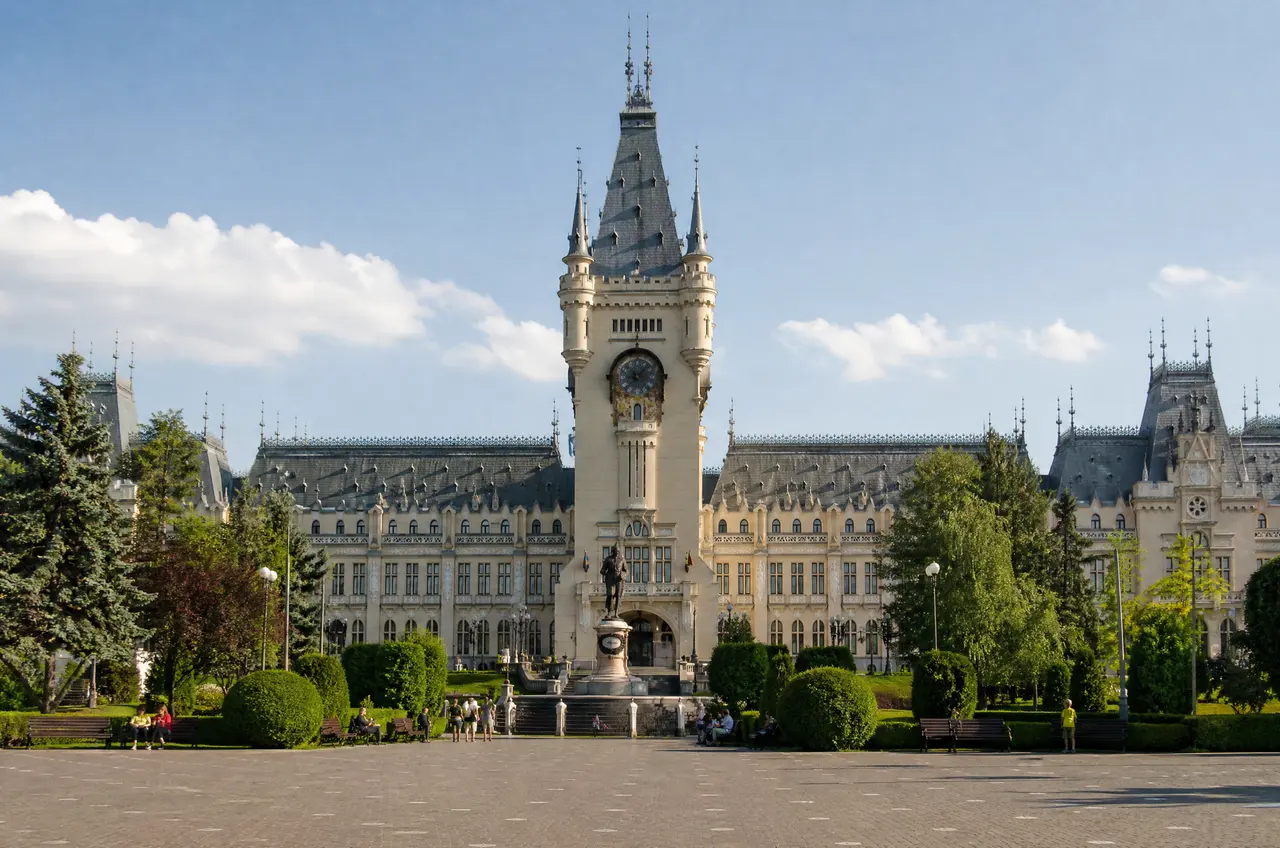 IașiOne bedroomRON 1,930-RON 2,53535-45% of typical payJan -4°Jul 23°
Expatronus research from 184 sources, checked November 10, 2026. Pay from recent salary surveys. Satisfaction from Eurostat. Temperatures from NASA Langley Research Center, POWER project.
Good to know
- Residence for people from outside the EU runs through the General Inspectorate for Immigration, known as IGI, and its office in each county
- Long stay visas come from Romanian embassies and consulates, and the E-Viza portal prepares the file online
- Residents receive a personal numeric code, the CNP, printed on their residence permit
- Romanian is the official language, and Hungarian and German are also heard in parts of Transylvania and the Banat
More numbers
Romania compared with the EU
Price levels are an index, and the EU average is the reference.
Price level of everyday spending
57.4
EU average 100 · 2024
Median net income per person
€8,187a year
EU average €22,939 a year · 2025
Unemployment rate
6.1%
EU average 6% · 2025
Life expectancy at birth
76.5years Worse than average
EU average 81.5 years · 2024
City by city
Satisfied living here, residents of each surveyed city.
Survey average 87.3%
Climate around Bucharest
°C · mm
 Romania or Spain
 Romania or Bulgaria
 Romania or Poland
The Atlas explains the landscape. An independent specialist confirms what applies to you.