






Daily life in Poland
Getting around, safety, the climate and the language in Poland, all on one page.
In numbers
Daily life in Poland
Getting around
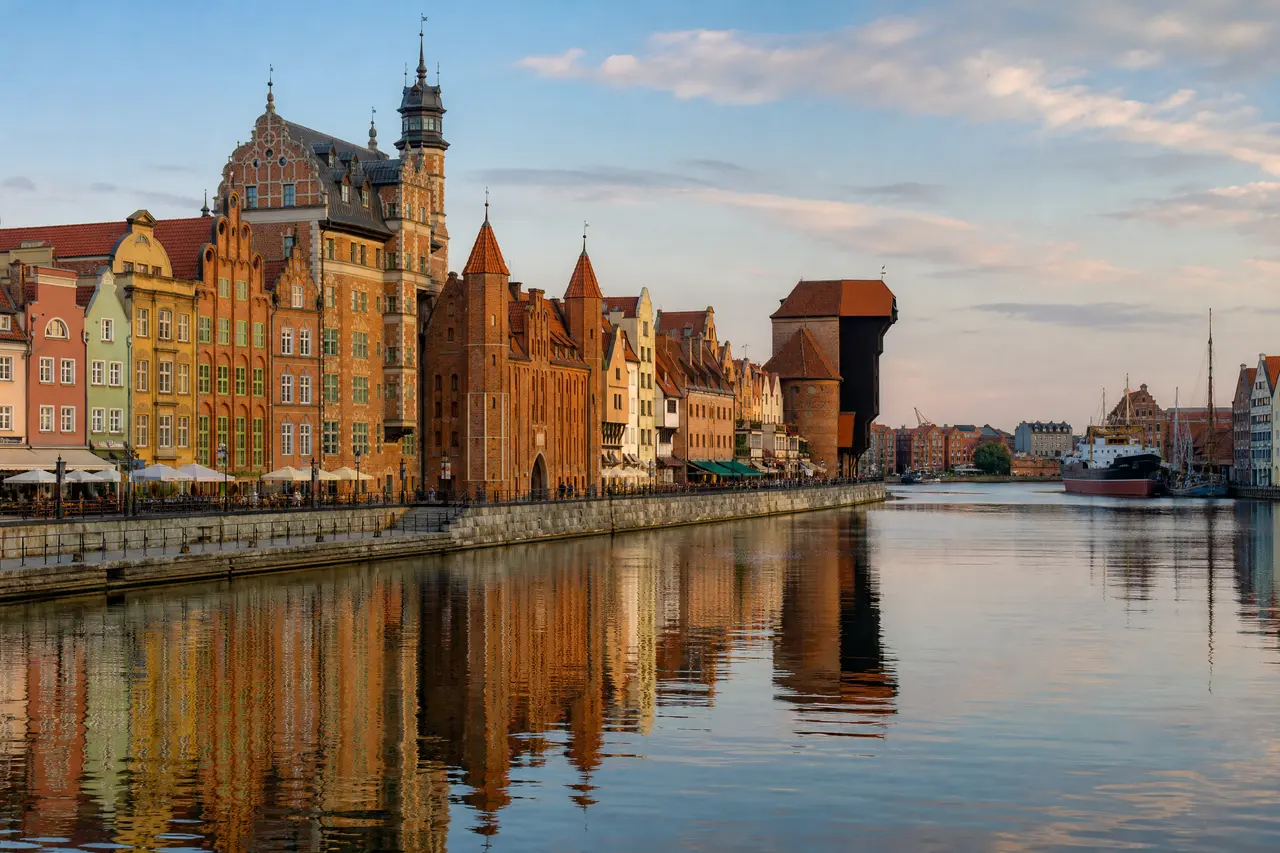
The big cities have dense tram and bus networks, and Warsaw also has a metro. Fast PKP Intercity trains link Warsaw with Kraków, Wrocław, Gdańsk and other cities, and regional trains and buses cover smaller towns.
- City transport tickets are sold in apps, machines and on board, and many are time based
- Polregio and regional operators run most local trains
- Warsaw, Kraków, Wrocław and Gdańsk all have international airports
- A driving licence from outside the EU may need exchanging after you settle, so check early
Safety
Poland is generally safe for residents, and violent crime against newcomers is uncommon. Pickpockets work crowded trams, stations and old towns, so the usual care applies.
- Emergency notification centres answer the European emergency number and the separate police, fire and ambulance lines
- In winter, some cities issue smog alerts, and air quality apps help on those days
- Icy pavements are common in winter, so good shoes help
- Carry your residence card or passport, because the police and Border Guard can ask to see it
Climate and lifestyle
Life in Poland follows the seasons, with long dark winters, bright summers by the lakes and the Baltic, and weekends in the mountains. Family and church holidays shape the calendar, and the big cities have a lively café, music and theatre scene.
- Christmas Eve, Wigilia, is the main family dinner of the year
- On All Saints' Day, cemeteries fill with candles and visitors
- Name days, imieniny, are celebrated much like birthdays
- Pierogi, soups such as żurek and fresh bakeries are part of everyday food
Language
Polish is the language of daily life and of every office, written in the Latin alphabet with extra letters such as ł, ą and ż. English is common among younger people and in international companies, while residence applications are filled in Polish and foreign documents come with a sworn translation.
- The Ministry of Justice keeps the register of sworn translators
- Universities and language schools run Polish courses for foreigners
- State certificate exams in Polish as a foreign language are held at several levels
- Long-term residence later asks for proof of Polish at a set level
More numbers
Poland compared with the EU
Report crime or vandalism where they live
2.8% Better than average
EU average 10% · 2023
Adults who speak no foreign language
27.1% Worse than average
EU average 25.3% · 2022
City by city
Feel safe walking alone at night, residents of each surveyed city.
Survey average 67.9%
Climate around Warsaw
°C · mm
Official websites6
 Emergency notification centres and emergency numbersgov.pl · Checked on November 9, 2026
- The European emergency number in Polandgov.pl · Checked on November 9, 2026
 PKP Intercity, long distance trainsintercity.pl · Checked on November 9, 2026
 Polregio, regional trainspolregio.pl · Checked on November 9, 2026
 Your Europe, living and working in the EUeuropa.eu · Checked on November 7, 2026
 112, the European emergency numberdigital-strategy.ec.europa.eu · Checked on November 7, 2026
Daily life in each city
Also in this guide




The Atlas explains the landscape. An independent specialist confirms what applies to you.