







Cost of living in Malta
Day to day costs in Malta depend mostly on rent, which has risen fast around Sliema and St Julian's. Food is largely imported, and prices in the tourist areas follow the season.
In numbers
Good to know
- Rent is the biggest variable, and the towns in the south and on Gozo cost less
- Residents with a personalised tallinja card ride the buses free
- Pastizzi and local bakeries keep a quick lunch cheap
- Air conditioning adds to electricity bills in summer
Rents and fees
Asking rents, city by city
What a long term lease usually costs a month at the time of writing, read from property portal listings. Each band is where most listings sat.
Each city runs from the lowest band among its neighbourhoods to the highest. Open a city to see every neighbourhood.
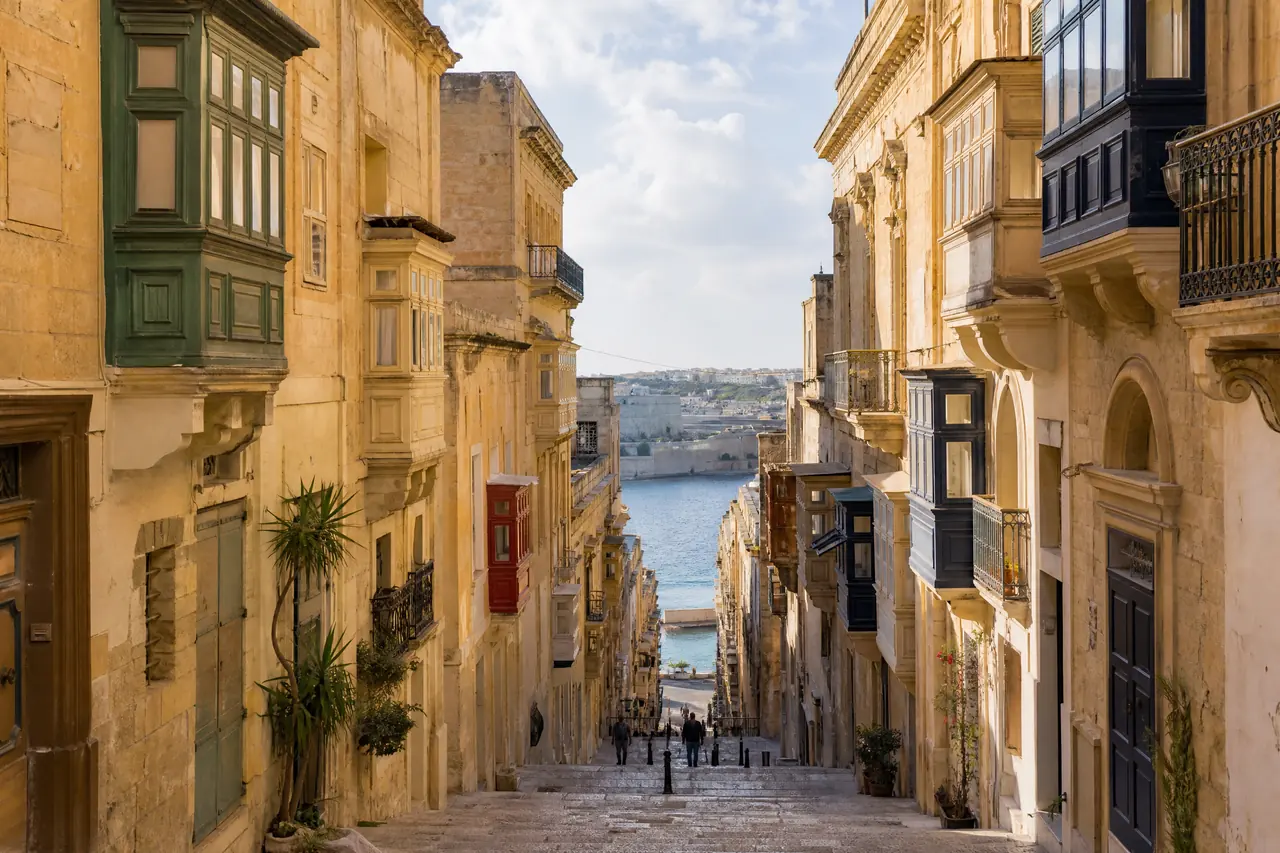
- Valletta9 neighbourhoodsOne bedroom €600-€1,770Two bedrooms €800-€2,200Three bedrooms €1,050-€3,000A one bedroom takes about 40-75% of typical pay
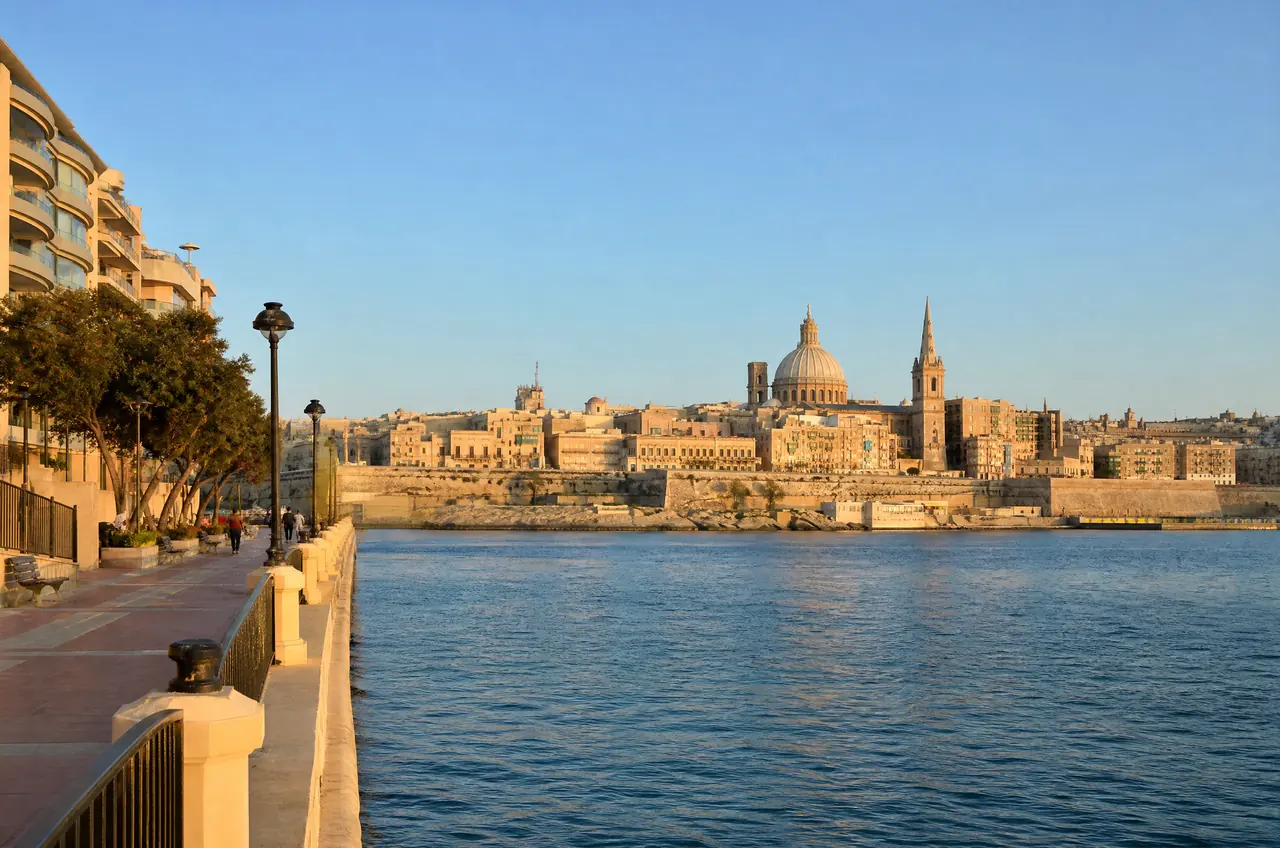
- Sliema8 neighbourhoodsOne bedroom €650-€1,770Two bedrooms €850-€2,200Three bedrooms €1,100-€2,900A one bedroom takes about 45-75% of typical pay
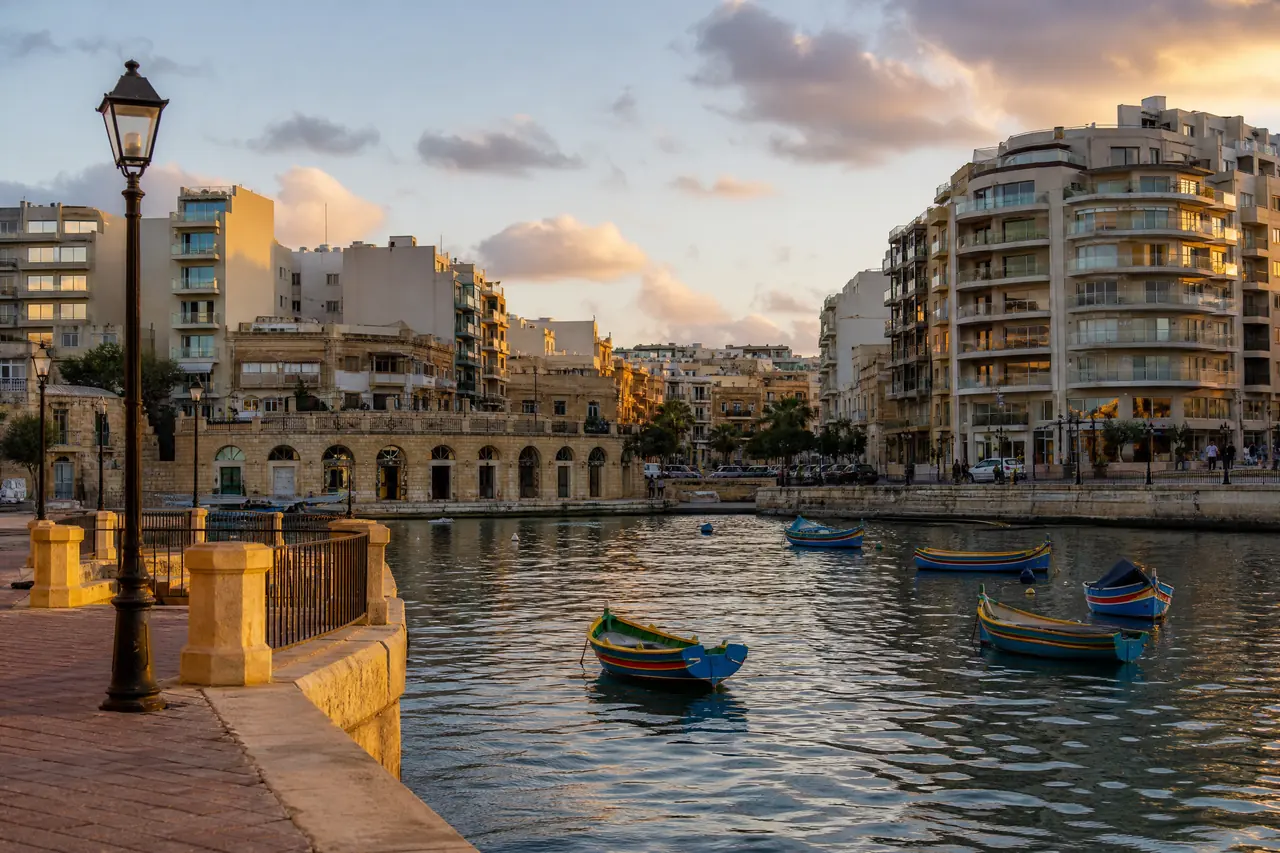
- St Julian's8 neighbourhoodsOne bedroom €650-€1,870Two bedrooms €900-€2,400Three bedrooms €1,150-€3,400A one bedroom takes about 55-90% of typical pay
Expatronus research from 23 sources, checked November 15, 2026
More numbers
Malta compared with the EU
Price levels are an index, and the EU average is the reference.
Price level of everyday spending
93.1
EU average 100 · 2024
Price level of food
112.2
EU average 100 · 2024
Price level of restaurants and hotels
88.7
EU average 100 · 2024
Price level of transport
82.6
EU average 100 · 2024
Household electricity price
€0.13per kWh
EU average €0.28 per kWh · 2026-S1
Inflation over the year
2.4%
EU average 2.5% · 2025
Median net income per person
€22,034a year
EU average €22,939 a year · 2025
Sources

Cost of living in each city
Also in this guide








The Atlas explains the landscape. An independent specialist confirms what applies to you.