







Daily life in Germany
Getting around, safety, the climate and the language in Germany, all on one page.
In numbers
Daily life in Germany
Getting around
Germany has a dense rail network, with ICE high speed trains between the big cities and good regional trains. Cities have underground, tram, bus and suburban rail networks, and many people live without a car.
- Deutsche Bahn runs long distance trains
- The Deutschlandticket works on local and regional transport nationwide
- Cycling is common, and many cities have cycle lanes
- Foreign driving licences may need exchanging after you settle
Safety
Germany is generally safe for residents, and violent crime against newcomers is uncommon. Pickpockets work main stations and busy transport, so the usual care applies.
- The NINA app sends official warnings for your area
- Winter roads can be icy, so winter tyres are required in wintry conditions
- Emergencies go to the European emergency number, and the police also answer on their own number
- 112All emergencies, free, in every EU country
- Numbers as published by European Commission
Climate and lifestyle
Life in Germany follows clear routines, with shops closed on Sundays and quiet hours in residential buildings. People join clubs for sport and hobbies, and summer evenings move to parks, lakes and beer gardens.
- Christmas markets fill town squares in December
- Waste is sorted into several bins at home
- Clubs, the Vereine, are a common way to meet people
- Punctuality and written letters still matter in daily life
Language
German is the language of daily life and of every office, and official letters come in German. English is common in big cities, startups and universities, but much less so with landlords and public offices.
- Integration courses run by the federal migration office combine German lessons with an orientation course
- The Volkshochschule in each town runs low cost German classes
- Regional dialects can sound very different from standard German
More numbers
Germany compared with the EU
Report crime or vandalism where they live
10.7%
EU average 10% · 2023
Adults who speak no foreign language
12.3% Better than average
EU average 25.3% · 2022
City by city
Feel safe walking alone at night, residents of each surveyed city.
Survey average 67.9%
Climate around Berlin
°C · mm
Official websites4


Daily life in each city
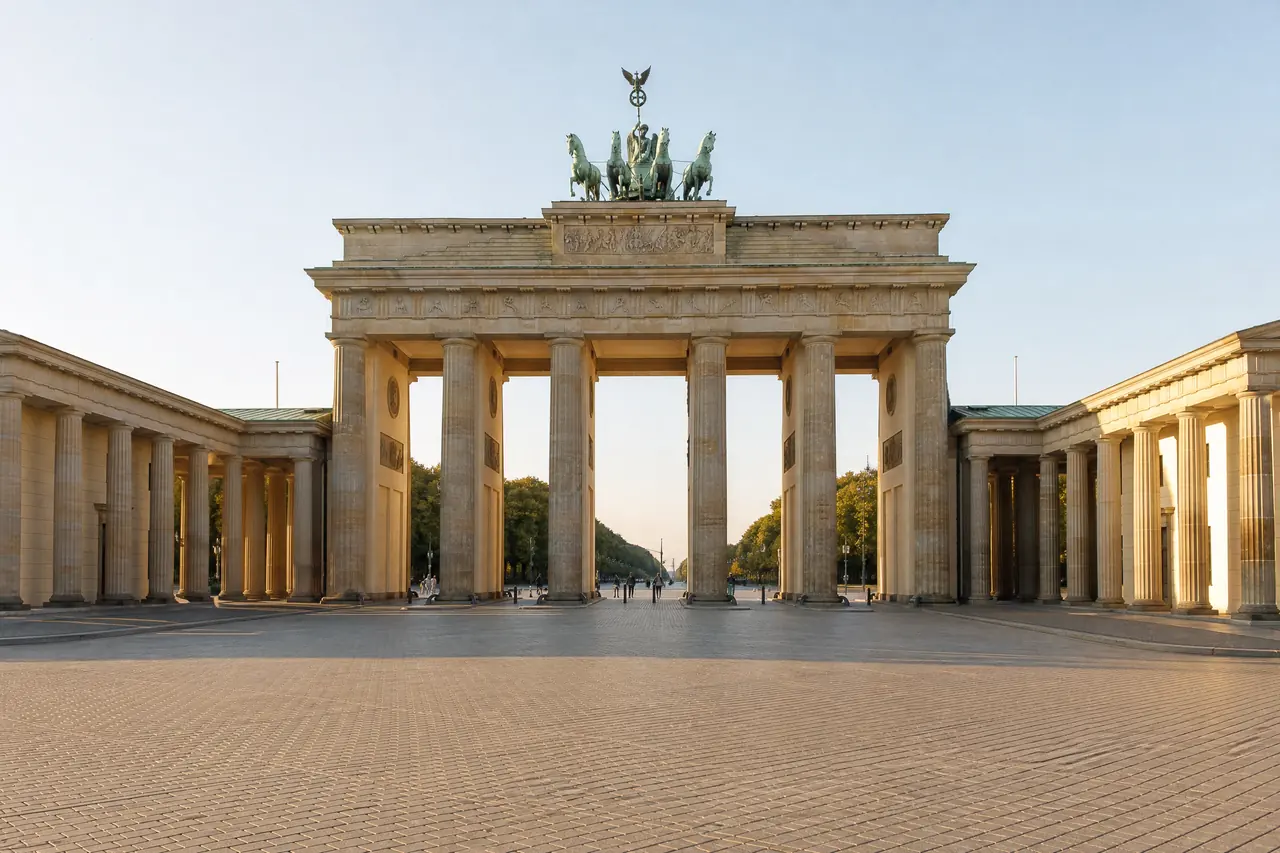
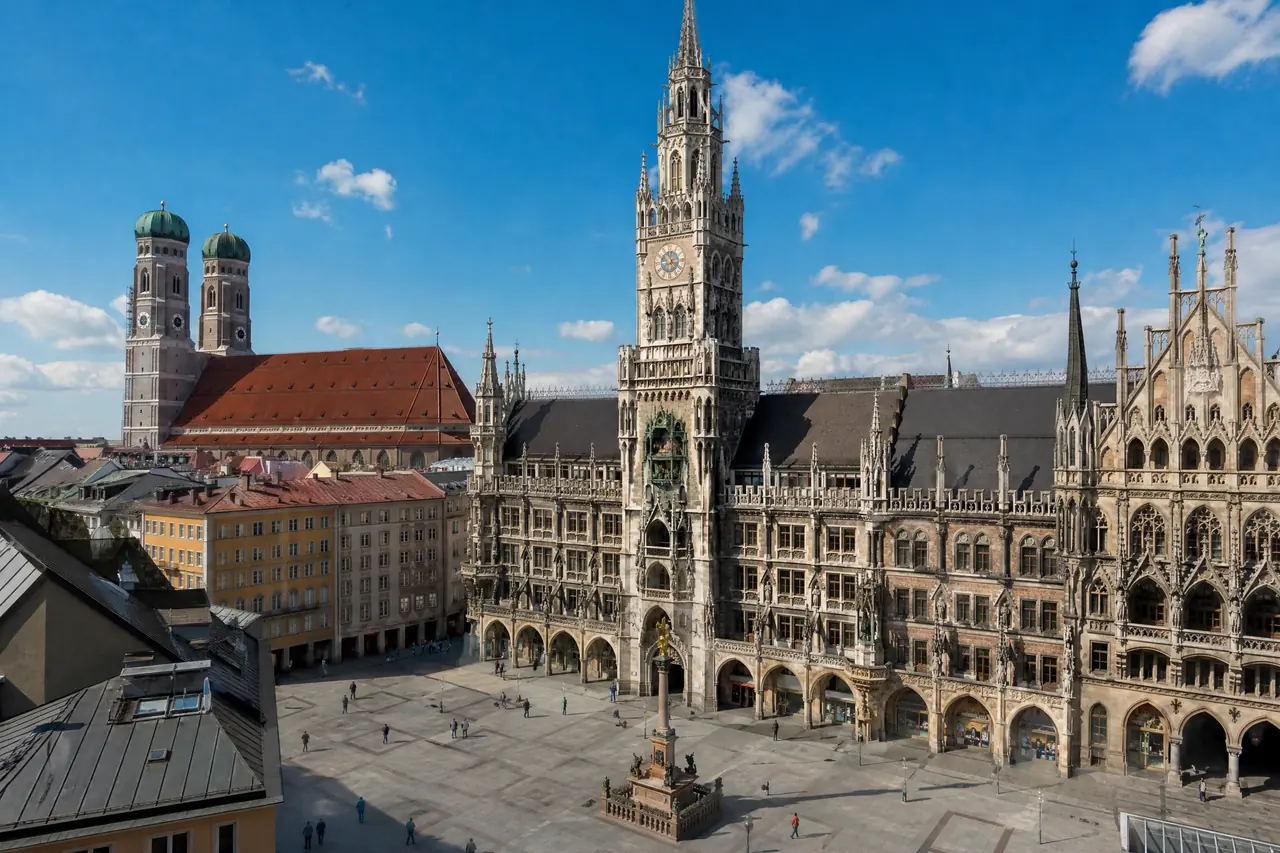
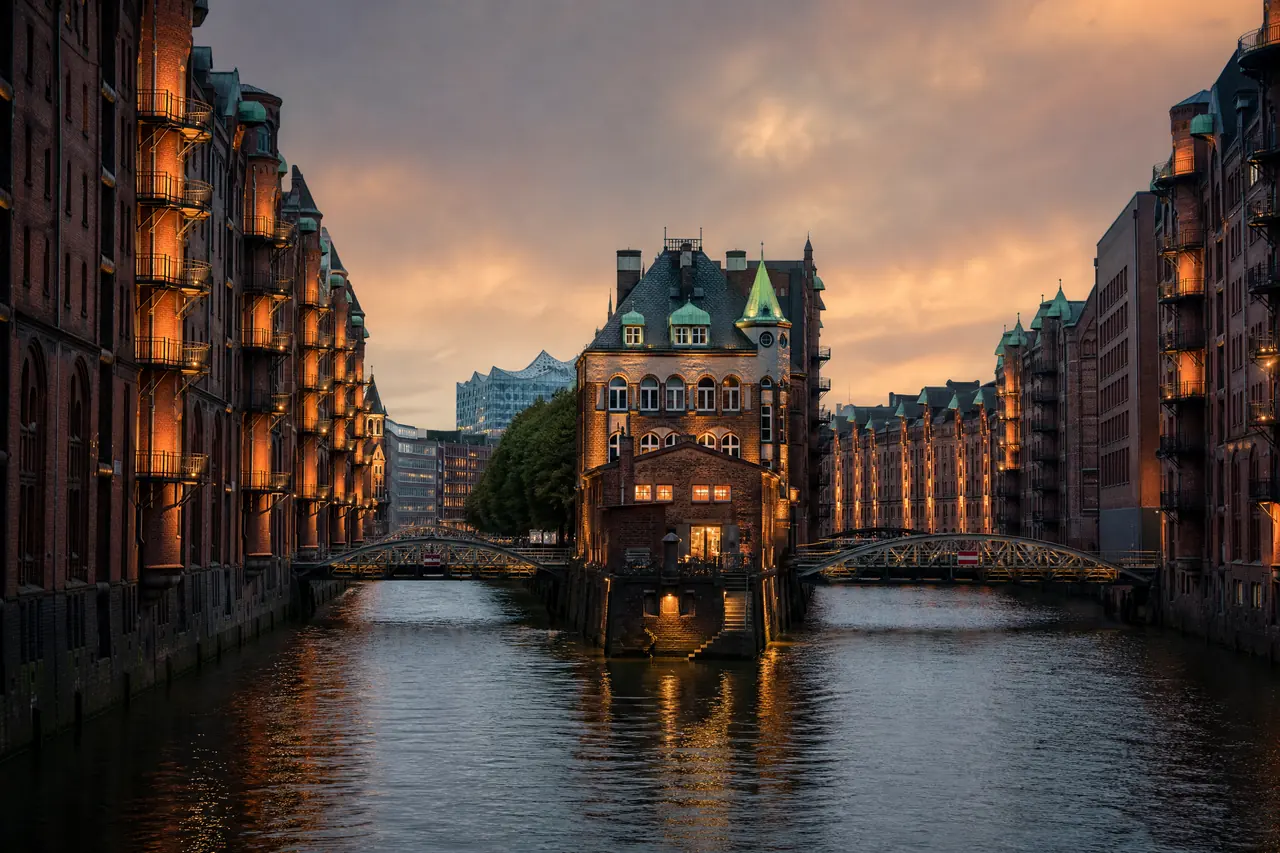
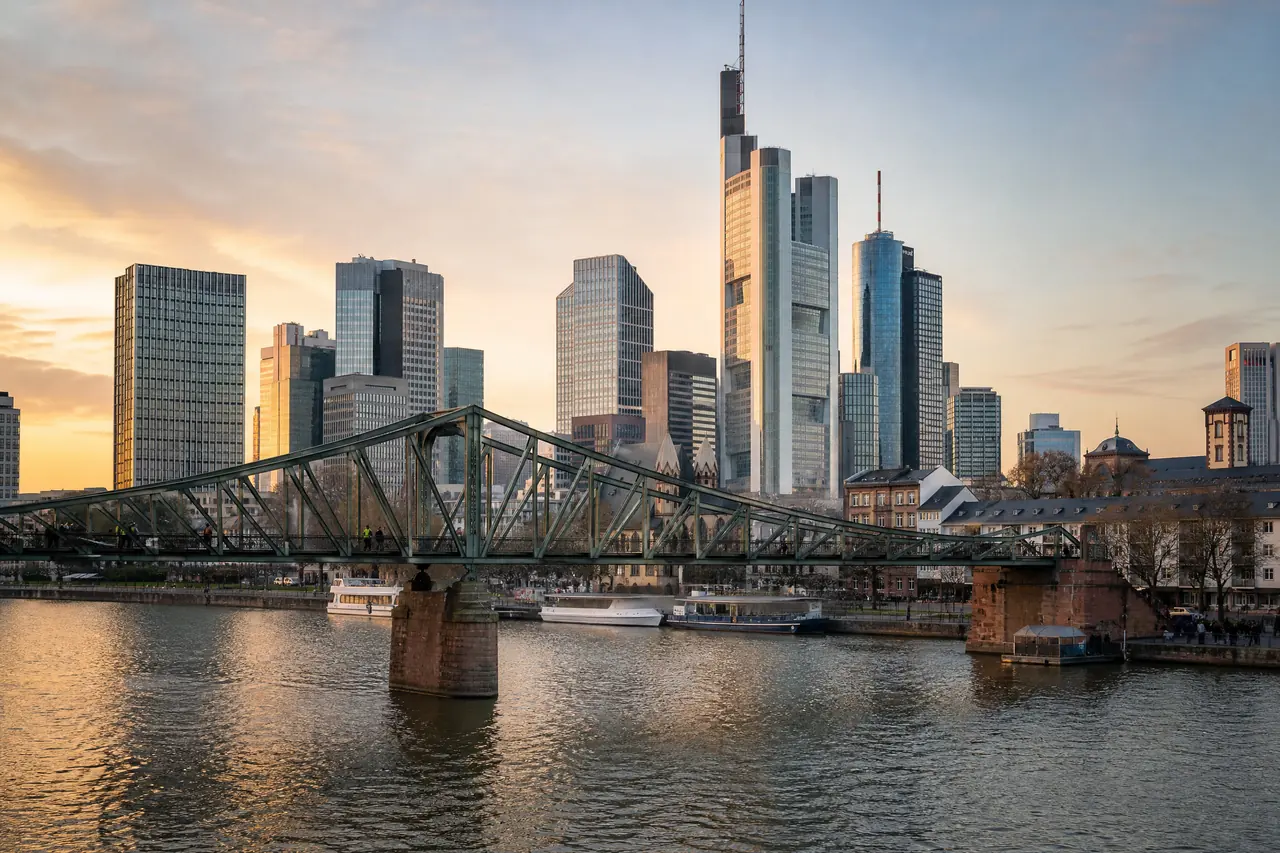
Also in this guide








The Atlas explains the landscape. An independent specialist confirms what applies to you.